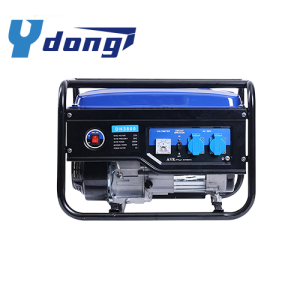
An AC generator is a generating unit that converts mechanical energy into electrical energy in the form of alternating current. Most generators use rotating magnetic fields and fixed armatures. This design contrasts with the stationary field and rotating armature of a traditional generator. This distinction is crucial because it allows generator set alternators to be lighter, more efficient, and able to produce electricity at lower speeds.

To explore how a generator alternator works within an electric generator context, let’s delve into its key components and the fundamental principles that govern its operation. Generator set An alternator is essentially a generator designed to convert mechanical energy into electrical energy, especially alternating current (AC).

This conversion process is grounded in the principle of electromagnetic induction. It involves changing the coil in the magnetic field to generate an electric current. The following is a step-by-step process:
3.1 Initiation of Rotation
The process begins with the rotation of the rotor. This can be initiated by various mechanical means. Such as a gasoline engine in a portable generator or the kinetic energy from wind in a wind turbine.
3.2 Creation of a Magnetic Field
When its rotor rotating magnetic field is rotating. If the rotor is an electromagnet, it is powered by a small amount of electricity from a generator battery or other external source. This creates a strong and consistent magnetic field.
3.3 Induction of Electrical Current
The rotating magnetic field intersects the coil in the stator. Because of the electromagnetic induction, the current in the coil. This process is the essence of Faraday’s law of electromagnetic induction. According to the law of, closed circuit of magnetic flux changes will be caused in the circuit electromotive force (EMF).
3.4 Conversion to Usable Electricity
The electrical current generated in the stator is AC due to the rotating magnetic field. Since many applications require DC, the AC is passed through a rectifier to convert it. The rectifier current is then adjusted to ensure a consistent output voltage. Regardless of the rotor speed or the load on the generator changes.
3.5 Distribution
In the end, the electricity is delivered where it is needed. This might involve in the independent generators to battery, or for home power system power supply during the blackout and while the engine is running in the vehicle, it charges the battery and supplies power to the electrical system.
Alternator of diesel generator set is the basic component of independent generator. Its main function is to convert mechanical energy into electrical energy. In the context of an generator set, the alternator’s role becomes even more critical. Because it directly influences the efficiency, output capacity, and reliability of the power generation process.

The alternator is a principle of electromagnetic induction to produce alternating current generator. It consists of a rotating magnetic field and a stationary armature, they work together to generate electricity. Generator set Alternator is the key component of generator set. Widely used in residential, commercial, industrial and critical infrastructure emergency backup power supply and other fields.
4.1 Stator
The stationary part of an alternator consists of a set of coils wound around a metal iron core. It acts as an armature that induces current.
4.2 Rotor (or Rotating Field)
The rotor is to produce a rotating magnetic field of the moving parts. In the generator, the rotor can be actuated in various ways. Such as internal combustion engines, wind turbines or hydraulic turbines.
4.3 Rectifier
The element will be the stator produce alternating current into direct current. Suitable for battery or for dc power supply system power supply.
4.4 Voltage Regulator
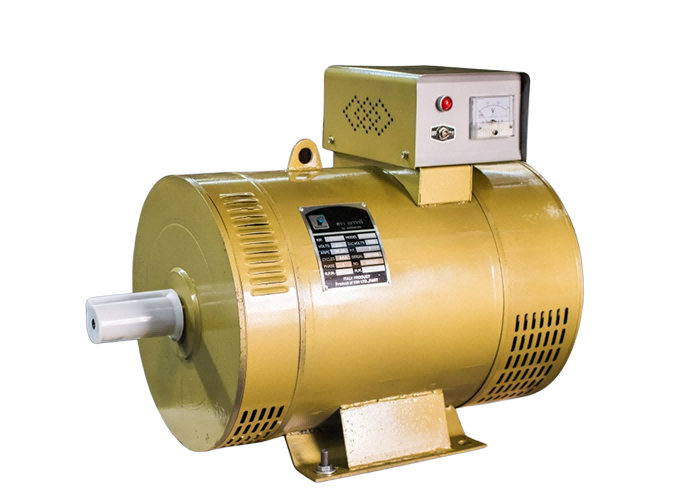
The voltage regulator maintains the output voltage of the generator set alternator within a specified range. To ensure stable and consistent power output despite variations in load or engine speed.
4.5 Cooling System
Given that the process of generating electricity produces heat, generator alternators are equipped with cooling systems. It may include fans, heat sinks or liquid cooling. In order to maintain optimal operating temperatures.
4.6 Bearings
Bearings support the rotor to rotate smoothly and efficiently in the stator.
4.7 The Pulley System
In the generator set, the alternator is belt driven in the application. For example in the gasoline engine driven portable generator, pulley systems are used to mechanical energy transmitted from the engine to the rotor.
4.8 Housing
The housing encloses the internal components of the alternator for generator set. To protect them from external elements. It also contribute to the structural integrity of the unit.
To sum up, the alternator is the key component in the generator. The ability to efficiently and reliably convert mechanical energy into usable electrical energy. Its design and operating principles are essential for a wide range of applications ranging from small portable generators to large generation facilities.

The integration of generator alternators into generators offers numerous advantages that have significantly contributed to the efficiency, reliability, and versatility of power generation systems.
These advantages not only underscore the importance of generator set alternators in modern electrical engineering but also highlight their pivotal role in advancing sustainable energy solutions and enhancing the functionality of various power-dependent applications. Here are key advantages of using diesel generator alternators in generator sets:
6.1 High Efficiency
The alternator is designed to convert mechanical energy efficiently into electricity. Their ability to generate electricity at greater efficiency means that less energy is wasted as heat. In order to make the entire power generation process more economical and environmentally friendly.
This efficiency is particularly crucial in applications where fuel economy and minimal environmental impact are desired, such as in portable generators and renewable energy systems.
6.2 Versatile Power Output
Ac generator can be designed in a wide range of voltage and frequency range to generate electricity, make it is suitable for various applications.
From power tools and electrical small portable generator, to a large industrial generators for power supply. This versatility ensures that the alternator of the generator set can be tailored. To meet specific power requirements and enhance its applicability in different environments.
6.3 Reliability and Durability
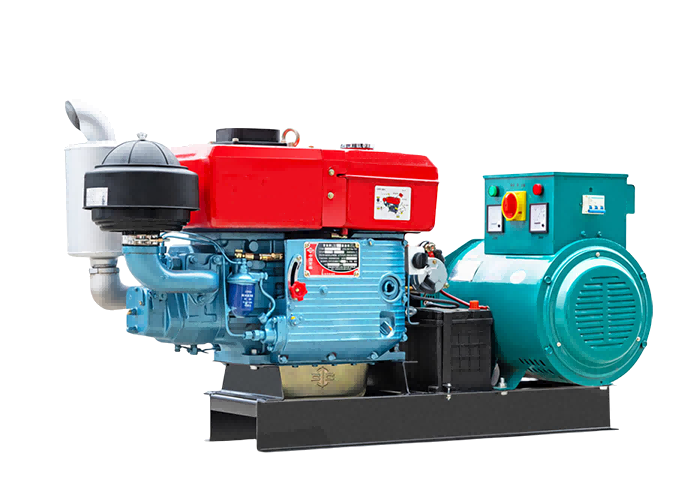
Due to their robust design and minimal moving parts, alternators for diesel generator sets are known for their reliability and long service life. They can operate in harsh conditions and maintain consistent performance over a period of time. This is critical for applications that require reliable power, such as emergency backup systems in hospitals and data centers.
6.4 Scalability
Alternator design modular feature allows extensibility. This means that the power output can be increased by simply adding more units or by designing a larger alternator for the generator set. This scalability is good for growing industrial and renewable energy projects. Because these projects demand for electricity will increase over time.
6.5 Improved Fuel Efficiency
In generator systems, the efficiency of the generator alternator directly translates into an increase in fuel efficiency. By converting mechanical energy into electricity more efficiently, less fuel is required to produce the same amount of electricity, resulting in cost savings and reduced emissions.
This is particularly important for reducing the carbon footprint of electricity generation especially in fossil fuel powered systems.
6.6 Regulated Power Supply
Alternators for diesel generator sets come equipped with voltage regulators. To ensure a consistent and stable power output. Regardless of fluctuations in the engine speed or the load. This regulated power supply is crucial for protecting sensitive electronic equipment. To ensure that electrical devices function properly without the risk of damage from power surges or drops.
6.7Facilitates Renewable Energy Integration
Alternators for generator sets are integral to the operation of renewable energy systems, such as wind turbines and hydroelectric generators, where they convert kinetic energy into electrical energy.
Their ability to efficiently handle variable speeds and loads makes them ideal for these applications, facilitating the integration of renewable energy sources into the grid and contributing to a more sustainable energy future.
The use of alternators in electric generators embodies a significant technological advancement in power generation. Their high efficiency, versatility, reliability, and capacity for regulated power output not only enhance the performance of generators but also contribute to more sustainable and economical energy solutions.
As the world continues to seek more efficient and cleaner energy sources, the role of generator set alternators in electric generators remains pivotal, driving innovation and meeting the ever-growing demand for reliable power.
Diesel generators are a cornerstone component in the generator sector. It converts mechanical energy into electricity plays an important role. This kind of transformation is vital for a wide range of applications.
During power outage for households and businesses to provide electricity to the grid is not available in remote areas for power supply equipment. By examining the alternator for generator function, efficiency and reliability of the key contributions, can understand the importance of alternator in generator.

7.1 Conversion of Mechanical to Electrical Energy
Alternator is indispensable in the power generation. They can effectively to mechanical energy from the use of gasoline, diesel or gas engines, or from renewable energy sources such as wind power and water into electricity.
This process is achieved by electromagnetic induction, among them, the rotating magnetic field inside the alternator of the diesel generator set, in a fixed induced current in the coil. The basic role highlights the importance of ac generator in power generation.
7.2 Versatility in Power Generation
Alternators for generators are designed to produce alternating current (AC), the standard form of electrical energy used in most household and industrial applications. The ability of alternators to generate AC power directly, without the need for additional conversion processes, makes them indispensable in the design and operation of electric generators.
Their versatility supports a wide range of power requirements, from small portable generators that provide a few hundred watts to large-scale installations capable of generating megawatts of power.
7.3 Efficiency and Reliability
Modern alternators for generator sets are engineered for high efficiency and reliability. They are able to work in a wide range of conditions to produce consistent and stable power output.
This not only ensures the efficiency to produce enough electricity to meet demand, and by minimizing waste heat and mechanical wear and tear, help to improve the overall life of the generator.
The reliability of the alternator, it features the ability to operate under a variety of environmental conditions and loads. For the application of reliable power supply is very important, such as emergency system and critical infrastructure.
7.4 Regulation of Power Output
Ac generators equipped with voltage regulator, to keep the output voltage within the prescribed scope. The rules for the protection of generator and by the power supply device, from voltage fluctuation is very important for the potential damage caused.
To provide a stable and adjustable power supply ability, improves the utility and safety of generators, makes the alternator is essential for its successful operation.
7.5 Environmental Impact
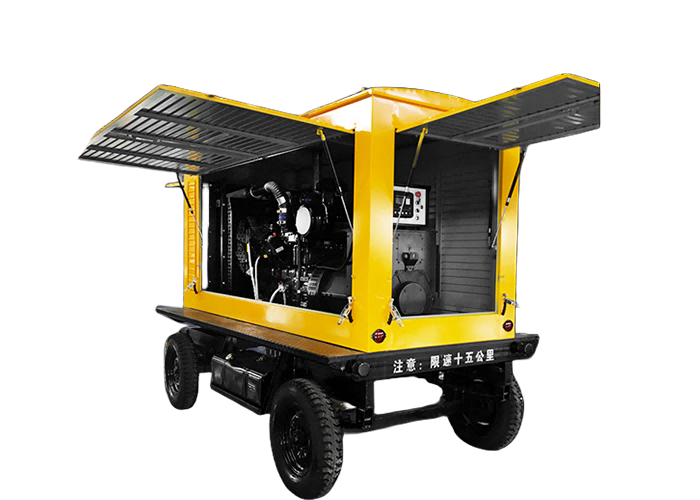
The efficiency of an alternator for generator set directly influences the fuel consumption and emissions of the generator. More efficient alternators require less mechanical energy to produce the same amount of electrical power, leading to lower fuel consumption and reduced emissions in generators powered by fossil fuels.
In the global effort to reduce environmental impact and increase energy under the background of sustainability, this aspect of AC generator performance is becoming increasingly important.
The generator set alternator is more than just a component within an electric generator; it is the heart of the generator’s ability to fulfill its fundamental purpose—converting mechanical energy into electrical energy. Its importance extends beyond its basic function to encompass aspects of efficiency, reliability, power regulation, and environmental impact.
Whether in a small portable unit or a large-scale power plant, the alternator remains a key driver of performance and utility in electric generators, underscoring its critical role in modern energy systems.
Generator alternators are versatile devices essential for converting mechanical energy into electrical energy, primarily generating alternating current (AC). Their applications span across various sectors, including automotive, industrial, renewable energy, and more. Here’s a closer look at some of the primary applications of alternators:
8.1 Automotive Industry
Vehicle Electrical Systems: The alternator is crucial in the vehicle. In engine runtime for battery and for electric system (lamp, infotainment, air conditioner, etc.). Including automobiles, motorcycles and trucks, almost every kind of internal combustion engine vehicles, the electric power system is dependent on the generator ac generator.
8.2 Industrial and Commercial Use
Emergency Power Supply: Ac generator is used in hospitals, data center and the key components of commercial building emergency standby power generators, can ensure critical systems remain operational during power outages.
Portable Power Generator: Can never get a power supply for the construction site, outdoor activities, and disaster relief operations.
8.3 Marine Applications
Shipboard Power: In marine environments, alternators for diesel generator sets are used to generate sets for shipboard electrical systems, powering everything from navigation instruments to lighting and air conditioning systems.
8.4 Aerospace Industry
Aircraft Electrical Systems: Alternators are used in aircraft to power onboard electrical systems, ensuring that navigation, communication, and cabin comfort systems function throughout flights.
8.5 Renewable Energy
Wind Turbines: In wind energy conversion systems, generator alternators convert mechanical energy (from wind turbines) into electrical energy, contributing to renewable energy production. These alternators are designed to work efficiently at varying speeds, matching the fluctuating nature of wind.
8.6 Agricultural Equipment
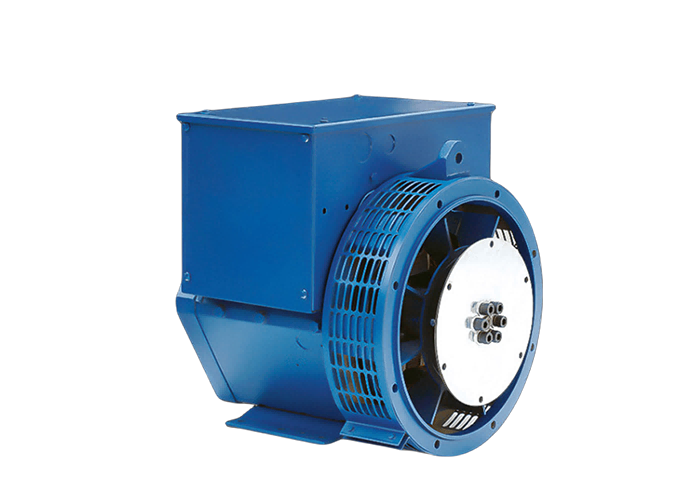
Tractors and Agricultural Machinery: The generator is installed on the agricultural machinery, such as tractor and combine harvester, for the electric power supply system. The goal is to ensure the vehicles can operate lights, sensors and other electronic equipment needed for modern farming operations.
8.7 Power Plants
Standby and Peak Generation: Large diesel generator set alternators are used for backup generation in power plants and meet the peak load demand. Them as a backup key, to ensure continuous power supply during demand surges or outages of the main generator.
8.8 Residential
Household Generator: For located prone to power outages or households in areas off the grid. The alternator generator within the generator, for lighting, heating, cooling, and running electrical appliances, provide a reliable source of electricity.
8.9 Telecommunications
Power for Remote Transmitters: Alternators are used in generators that power telecommunications equipment in remote areas, including cell towers and radio transmitters, ensuring uninterrupted communication services.

Generator set the future of the alternator is in rapid technological progress, growing environmental problems and for renewable energy set against the background of growing demand. These factors are pushing for design, operation and application of the alternator has greatly changed to shape a future of efficiency, sustainability and intelligence. Here’s a glimpse into what the future holds for generator set alternators:
9.1 Enhanced Efficiency and Performance
Future alternators are expected to achieve higher efficiency levels through advancements in materials science, electromagnetic design, and manufacturing processes. Innovations such as high-temperature superconducting materials could dramatically reduce energy losses and improve overall performance.
Moreover, the development of more efficient cooling systems will enable diesel generator set alternators to operate at higher power densities, further enhancing their efficiency and output.
9.2 The Intersection of Alternators and Renewable Energy
One of the most exciting frontiers for the development and application of generator alternators is in the realm of renewable energy. As the global community shifts to sustainable energy, in response to climate change, reduce our dependence on fossil fuels, the alternator is becoming more and more important role.
In wind turbines and hydroelectric plants, an alternator used in a generator set converts kinetic energy from wind and water into electricity. After that, the energy is fed into the grid or in local use, for the generation of clean, renewable energy has made a significant contribution. The efficiency and reliability of the alternator, it directly affects the overall effectiveness and feasibility of renewable energy projects.
9.3 Smart Alternators and the Future of Energy Management
The emergence of “smart” technology is radically change the ability of generator. The smart alternator is equipped with sensors and connected to the Internet, allows real-time monitoring and control.
This kind of connectivity support predictive maintenance, can before potential problems lead to failure to identify and solve them, as a result, reliability is significantly improved and downtime is reduced.
In addition, intelligent alternators can dynamically adjust output according to demand and grid conditions, to improve efficiency, promote with variable renewable energy integration, such as solar and wind energy better.
9.4 Eco-friendly and Sustainable Solutions
Future alternators will be designed with a stronger focus on environmental sustainability. This includes the use of environmentally friendly materials and manufacturing processes, and technologies aimed at reducing emissions from generating units.
In addition, drive of decarburization will drive with biofuels and other green fuel alternatives more compatible with the development of the alternator. This helps to reduce the carbon footprint of electricity generation.
9.5 Customization and Modularity
The demand for power solutions tailored to specific applications and environments will lead to more customizable and modular alternator designs. These designs will enable easy scalability and flexibility, allowing users to adjust power output and configurations to meet changing needs.
Modular systems can also facilitate easier repairs and upgrades, extending the lifecycle of the generator set and reducing waste.
9.6 Advancements in Material Science and Manufacturing

Generator ac generator is the most exciting is the one of the areas of the development of material science and manufacturing technology. The researchers and engineers are exploring the use of advanced materials.
Such as high strength, lightweight alloy and superconducting materials, in order to improve efficiency and performance of ac generator. Even under harsh operating conditions, these materials can significantly reduce the energy loss, improve the durability of the alternator.
Furthermore, additive manufacturing (3D printing) offers the potential to produce complex parts with optimized designs that were previously impossible or too costly to manufacture, leading to lighter, more efficient alternators.
9.7 Pioneering the Electrification Era: Generator Set Alternators at the Forefront
As the global population grows and the demand for reliable energy escalates, the spotlight turns to generator set alternators, the unsung heroes of power generation. These devices not only ensure the lights stay on but also herald a new chapter in how we approach energy production, emphasizing efficiency, sustainability, and smart integration.
This exploration delves deeper into the evolving role of generator set alternators, underscoring their significance in an increasingly electrified world.
9.8 Challenges and Opportunities
Despite their critical role and the advancements in their design, generator alternators face several challenges. The variability of renewable energy sources, such as wind and solar, requires alternators to operate efficiently across a wide range of conditions.
Additionally, the push for decarbonization and stricter environmental regulations demands cleaner and more sustainable energy generation methods, challenging engineers to innovate further in alternator design and application.
However, these challenges also present opportunities. There is a growing demand for alternators that can operate at lower speeds without sacrificing efficiency or power output, especially in renewable energy applications.
There’s also an opportunity in developing alternators that can more easily convert and store energy in various forms, facilitating the use of renewable energy even when the sun isn’t shining or the wind isn’t blowing.