
Table of Contents
1. Brand Choice
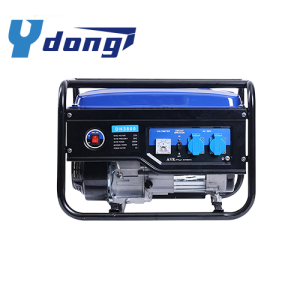
Honda Gasoline Generator Sets
Honda gasoline generators design to offer a multi-function power solution on a large scale applications. It can work from providing backup power during outages to supplying electricity for outdoor events, construction sites and camping.
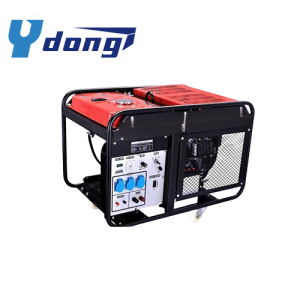
Yamaha Gasoline Generator Sets
Yamaha gasoline generator sets are know for their reliability, efficiency, and innovative features. These characteristics making them a preferred choice for a range of applications. For example from residential backup power to outdoor recreational use.
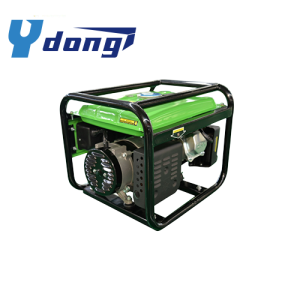
Generac Gasoline Generator Sets
Generac gasoline generators are very popular because of their versatility. It can work in emergency backup, job sites, recreational activities, and so on to provided essential power solutions.
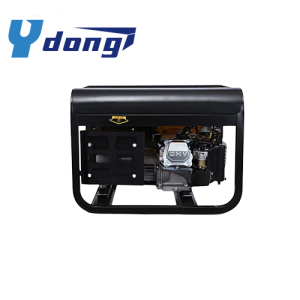
Briggs & Stratton Gasoline Generator Sets
They are known for their durability, reliability, and efficiency, Briggs & Stratton generators are designed to meet various power needs. It can work in from emergency home backup to recreational and job site applications.
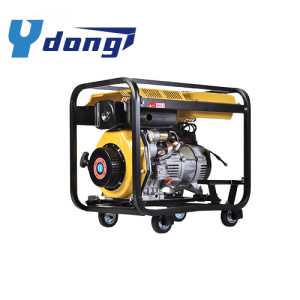
Champion Gasoline Generator Sets
Champion generators are praised for their reliability, innovative features and excellent value. This making them suitable for a wide range of applications. Such as, it can work from emergency home backup power to recreational use and job site operations.
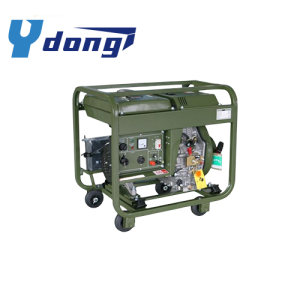
Westinghouse Gasoline Generator Sets
Westinghouse gasoline generators are known for their reliability, efficiency and advanced technology. Becasue of this, catering to a wide range of uses. It can work from emergency home backup to recreational and professional applications.
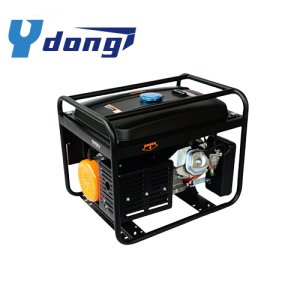
WEN Gasoline Generator Sets
WEN gasoline generators because of its versatility, durability, and cost-effectiveness are popular with homeowners, campers and professionals. They are designed to meet various power needs. Whether it's emergency home backup, outdoor recreational use, or providing electricity in the workplace.
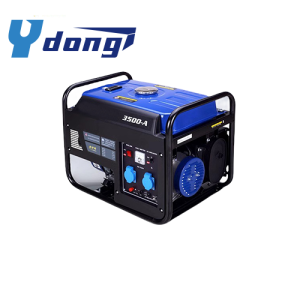
Predator Gasoline Generator Sets
Predator generator sets are praised for its combination of affordability, reliability and performance. They for a range of appliaction furnish a reliable source of power. Such as residential, recreational and emergency backup needs.
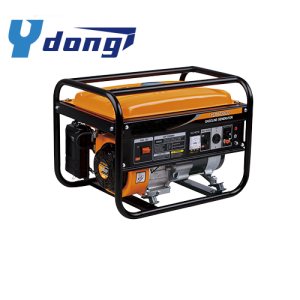
Kohler Gasoline Generator Sets
Kohler gasoline generator sets stand out for their reliability, durability and advanced technology. They are designed to meet various appliacrion power needs. They can work from residential and commercial backup to recreational use.
2. Exploring the Basics of Gasoline Generators
Gasoline generator sets are pportable power source that converts gasoline fuel into electricity. This working principle making them become an invaluable tool in situations where access to the power grid is unavailable or unreliable. They are used for a variety of applications. Such as emergency power backup for homes and businesses, power for recreational activities for example camping and tailgating. It also can provide a power source on construction sites and in remote locations.
2.1 Engine
The heart of the generator, it can burn gasoline to produce mechanical energy. Engine size and power decide the maximum amount of electricity that the generator can produce.
2.2 Alternator
It also known as the ‘genhead’. It can convert mechanical energy from the engine into electrical energy. The alternator include stationary and moving parts. It include a rotor (or armature) and a stator. They work together, produce electricity through electromagnetic induction.
2.3 Fuel System
The fuel system includes the fuel tank, fuel pump and fuel filter. It stores gasoline and delivers gasoline to the engine, do that allowing it to run.
2.4 Cooling and Exhaust Systems
The cooling and exhaust systems contribute to controls the engine and alternator generate heat. While the exhaust system vents combustion gases away from the generator, the cooling system usually uses air or liquid. so that, to make the generator set keep at a safe operating temperature.
2.5 Voltage Regulator
This element regulates the output voltage of the generator. Do that can ensure the generator at a consistent voltage level produces power. In this way suitable for the devices and appliances it powers.
2.6 Lubrication System
Reduces engine interior friction between moving parts. Do that can ensures mooth operation and preventing wear and tear. It typically involves oil stored in a pan, which is circulated throughout the engine.
3.1 Advantages of Gasoline Generators
3.1.1 Portability
Gasoline generators are usually adopt compact and lightweight. It can make them easy to transport, it also ideal for temporary power needs at different locations. Such as camping sites, outdoor events and job sites.
3.1.2 Availability of Fuel
Gasoline is widely available, so that making it easy to refuel gasoline generators almost anywhere. This convenience is a significant advantage, especially in emergency situations or remote locations.
3.1.3 Cost-Effectiveness
Generally, buy gasoline generators are less expensive than the generators use of other fuels like diesel or natural gas. Because of this, making them become a more accessible options.
3.1.4 Ease of Use
These generators are usually simple operation. Because many models designed for instant start-up and minimal setup, so that can ensure that even those with limited technical knowledge can use them effectively.
3.1.5 Flexibility
With a wide range of sizes and power outputs available, gasoline generators can be selected to meet very specific power requirements, from small portable models for individual use to larger units capable of powering homes during outages.
3.2 Disadvantages of Gasoline Generators
3.2.1 Fuel Efficiency and Cost
Gasoline generators fuel efficiency often less than diesel or natural gas generators. As time goes on, the higher operational costs and fluctuations in gasoline prices. Because of this, it can make them more expensive to run over time.
3.2.2 Storage and Shelf Life of Gasoline
Compared to other fuels like diesel the gasoline has short shelf life. It needs proper storage conditions to prevent degradation. This can go against Long-term emergency preparedness.
3.2.3 Environmental Impact
Compared with natural gas, gasoline engines carbon higer dioxide emissions and other pollutanta. In a way, it also higer than diesel generators.
3.2.4 Noise Level
Gasoline generators often much noisier than diesel and natural gas generaotr. It is the disadvantage of residential area or applications requiring low noise levels.
3.2.5 Durability and Lifespan
Generally speaking, gasoline generators have a shorter life. This reason make it need more frequent maintenance than other fuels generaotrs. This is due to the higher operating temperatures and the properties of gasoline combustion.
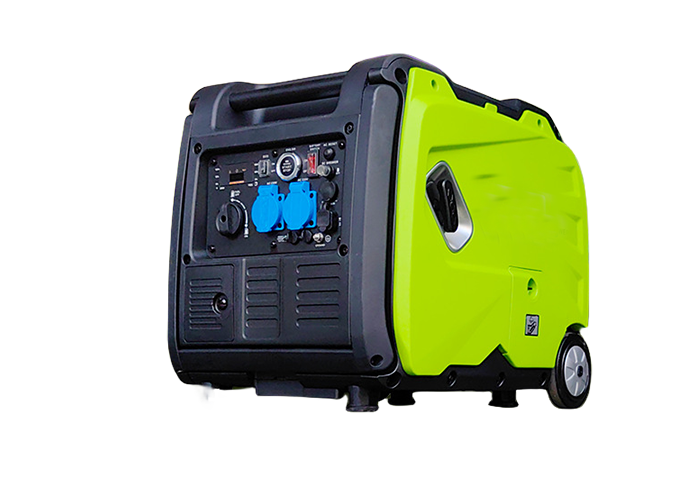
4. Safety Tips and Best Practices
To ensure gasoline generators operate safely and efficiently, need to comply specific safety guidelines and best practices. These measures is important for prevent potential accidents and extend the service life of the generator. It also important for ensure the health of operators and protect the environment.
Abide by these principles contribute to reduce with the risks associated with the operation of gasoline generators. Such as fire hazard, carbon monoxide poisoning and electric shock. By following the rules, can ensure everyone involved has a safer operating environment. Here are essential safety tips and best practices for operating gasoline generators:
4.1 General Safety Tips
4.1.1 Read the Manual
Before start using the generator, the users must speed time to comprehensive review the manufacturer’s manual that comes with the device. This document is a crucial resource, as it provides detailed insights into the generator’s functionality, maintenance requirements, and integrated safety mechanisms.
Knowing these aspects are the foundation. By understanding these,not only use the generator effectively, but also ensure its best performance and life.
4.1.2 Operate Outdoors
It is important to operate gasoline generator in outdoor environment. Also to make sure they and Windows, doors and vents of any structure nearby keep a safe distance. This is an important safety measure is aimed at reduce the risk of carbon monoxide (CO) poisoning.
This is a serious and potentially fatal disease. The carbon monoxide is harmful byproducts of combustion processes in generators. Despite being invisible and lacking any scent, CO poses significant health risks, making it especially dangerous.
4.1.3 Use CO Detectors
Install battery-operated or battery-backup CO detectors in your home or workplace to alert you to dangerous CO levels.
4.1.4 Maintain Ventilation
To ensure safety, In an open outdoor area running generator is important. Because, the flow of fresh air can help dilution and dispersion exhaust emission. This practice not only helps maintain air quality but also protect users and bystanders protection from adverse health effects associated with exhaust gas inhalation. Such as headache, giddy, nausea or more serious consequences. For example, loss of consciousness and even death at high exposure.
5. Advancements in Gasoline Generator Technology

The evolution of gasoline generator technology has ushered in remarkable advancements, revolutionizing their efficiency, environmental compatibility, and user-friendly features. These breakthroughs represent a concerted effort to fulfill the escalating need for dependable and portable power solutions capable of catering to diverse applications, all while mitigating the conventional limitations long associated with gasoline-powered generators.
5.1 Enhanced Efficiency and Performance
Recent strides in gasoline generator technology have yielded notable enhancements in efficiency, optimizing the conversion of fuel into electrical energy. These improvements not only maximize power output but also minimize fuel consumption, resulting in extended runtime and reduced operational costs. Moreover, advancements in engine design and combustion management systems have led to smoother operation and increased reliability, ensuring consistent performance even under demanding conditions.
5.2 Environmental Friendliness
A key focus of modern gasoline generator innovation is environmental sustainability. Advanced emission control technology. It includes catalytic converters and advanced exhaust gas treatment systems. It has been integrated into new models. So that can reduce the harmful pollutants released during operation. This ecologically conscious approach conforms to increasing stringent regulatory standards and emphasized the industry’s commitment to reduce the environmental footprint.
5.3 Enhanced User Convenience
In response to user to user intuition and the need for user-friendly design. Gasoline generators in terms of usability and convenience carried out major improvement. Innovative function includes electric starting mechanism, intuitive control panel with digital display, remote monitoring simplifies operation and monitoring. This make users of all experience levels can use the generator with confidence. In Addition, ergonomic design improvements and enhanced portability make shipping and storage easier to manage, further improve the user convenience.
5.4 Addressing Traditional Limitations
Traditionally, gasoline generators are associated with certain disadvantages. Such as noise emission, limited compatibility with sensitive electronics and dependence on a single source of fuel. However, recent technological advances have been effectively addressed these challenges. Quieter operation through sound-dampening measures, the integration of inverter technology for clean and stable power output, and the option for dual-fuel capability, enabling operation on propane or natural gas, are among the solutions that have significantly improved the versatility and appeal of gasoline generators.
6. Selecting the Right Gasoline Generator
Choosing the right gasoline generator need careful consideration of various factors, in order to ensure it meets your specific power requirements and operational requirement. Here are five key steps to help you choose the right gasoline generator
6.1 Determine Power Requirements
Calculate the total wattage of the appliances and equipment you intend to power at the same time. Consider starting and running power requirements. So that to avoid generator overload. The rated power of the generator should exceed the total power of the device to accommodate spikes in electricity demand.
6.2 Assess Portability Needs
Consider your intended application and mobility requirements when selecting a gasoline generator. Opt for compact and lightweight models with integrated handles or wheels for easy transport if mobility is a priority. Alternatively, for stationary uses like providing backup power to homes or businesses, prioritize larger generators with greater power outputs.
6.3 Consider Features and Functionality
When choosing a gasoline generator, give priority to improve user experience and security function. These functions include convenient electric start option for easy start, automatic voltage regulation to ensure consistent power delivery, low oil shutdown mechanism to protect the engine and fuel gauge indicator to monitor fuel levels. In addition, consider generators equipped with inverter technology. It provides clean and stable electricity, make it suitable for powering sensitive electronic devices.
6.4 Review Fuel Efficiency and Runtime
Examine the gasoline generator’s fuel efficiency and duration of operation on a single tank of fuel. Prioritize models with superior fuel efficiency and extended runtimes, as they provide cost-effective solutions and greater convenience, particularly during prolonged power outages or in remote locations where refueling opportunities are limited.
6.5 Compare Brands and Reliability
Before making a purchase, investigate well-regarded brands recognized for crafting dependable generators known for their longevity and consistent performance. Read carefully about customer recommendations, seek guidance from industry experts and evaluation warranty and customer service. From a reputable manufacturer to choose a generator. Known for providing reliable products providing excellent customer support. Ensure your investment peace of mind and satisfaction.
7. Emergency Preparedness and Disaster Recovery
Emergency preparedness and disaster recovery is the indispensable pillar of protecting individuals and communities from the ravages of unexpected disasters. This important work includes careful planning, pre-emptive action and rapid response. It aims to mitigate the impact of disasters and speed up the recovery process.
7.1 Emergency Preparedness
Risk Assessment: Conduct a thorough evaluation. Tdetermine potential harm and assess the potential consequences. This lays the foundation for effective preparation.
Strategic Planning: Develop thorough contingency plans according to different situations, to enable organizations and authorities to respond quickly and effectively.
Resource Management: Purchasing and storing basic goods. It include food, water, medical supplies and communication equipment. It can make sure you are prepared for emergencies.
Training and Education: Providing comprehensive training programs and educational initiatives equips individuals and teams with the knowledge and skills needed to navigate crisis situations effectively.
Community Engagement: Fostering collaboration and fostering community involvement through awareness campaigns and drills cultivates a collective sense of responsibility and resilience.
7.2 Importance
Preservation of Lives: By minimizing casualties and injuries, robust emergency preparedness and swift recovery efforts save lives and safeguard public health.
Protection of Assets: Proactive planning and mitigation measures help safeguard property, infrastructure, and livelihoods from the destructive impact of disasters.
Community Resilience: Strengthening community resilience through preparedness initiatives enhances the ability to withstand and bounce back from adversities.
Economic Stability: Rapid response and recovery efforts mitigate economic losses, restore vital services, and expedite the resumption of economic activities.
Social Cohesion: Promoting unity and solidarity through collaborative preparedness and recovery endeavors fosters social cohesion and solidarity, strengthening the fabric of communities.
8. Environmental Impact and Alternatives
8.1 Environmental Impact
Emissions: Gasoline generators discharged pollutants. Include carbon monoxide, nitrogen oxides and particulate matter. By this it will aggravating air pollution and associated health risks.
Noise Pollution: During operation the gasoline generator will produce noise. This can disturb wild animal, destruction of ecosystem and affecting human health and well-being. The most serious is affecting residential areas.
Carbon Footprint: When the gasoline generators burning fuel release carbon dioxide. It will lead to greenhouse gas emissions and climate change.
8.2 Alternatives and Mitigation Measures
8.2.1 Cleaner Fuel Options
Consider the choice of alternative fuels, such as propane or natural gas. It produces fewer emissions compared to gasoline. These fuels can reduce air pollution and it can also reduce the environmental impact of electricity generation.
8.2.2 Renewable Energy Sources
Like solar energy, wind energy or hydroelectric power generation and more renewable energy transition completely eliminated the demand for fossil fuel combustion. Do that, greatly reducing emissions and environmental impact.
8.2.3 Inverter Technology
Compared with the traditional generator, the inverter generators provide cleaner, more stable power output, reduced emissions and noise levels.
8.2.4 Energy Efficiency Measures
Carry out energy efficiency measures and reduce overall energy consumption, as much as possible decrease generator use and its impact on the environment.
8.2.5 Battery Storage Systems
Make use of battery storage systems to store extra energy from renewable sources. In a power cut it will provide backup power and reduce reliance on gasoline generators.
8.2.6 Emission Control Devices
Install emission control devices. For example, catalytic converters and particulate filters. In order to emissions from gasoline generators and its impact on the environment.
8.2.7 Regulatory Compliance
Abide by relate to generator emissions of environmental regulations and standards. To ensure conform to air quality and pollution control regulations.
9. Troubleshooting Guide
9.1 Failure to Start
Thoroughly check the fuel systems for gasoline generators. Pass the assessment fuel level to ensure adequate supply. Verification of fuel quality to prevent engine problems. Check the fuel filter for any potential blockage that could impede fuel flow. In addition, confirm the correct engagement of the choke mechanism.
Do that can help during cold start by rich fuel – air mixture to start the engine. Finally, check the spark plug to ensure it is free to fragment and adjust to the correct gap distance. Because this component plays a vital role in the ignition and combustion of the engine.
9.2 Low Power Output
Ensure the generator load does not exceed its capacity, because over duty may result in performance issues and potential damage. In addition, still to proceed thorough examination, to ensure the air filter, fuel filter and park plug have no clutter. So that it can work at peak performance.
A clean and functioning air filter can prevent dirt and contaminants from entering the engine. A clean fuel filter can ensure a steady flow of clean fuel to the engine. In the end, correct maintenance spark plug is vital for the effective ignition and combustion. Do that helps the engine run smoothly.
9.3 Engine Stalling or Rough Running
Inspect the air filter and fuel filter if there is dirt accumulation or blocked. Do that can block airflow or fuel flow to the engine. Clean the filter is very important to ensure optimum engine performance and efficiency.
In addition, confirmation responsible for the mixing of air and fuel for burning carburetor no fragments. It has been adjusted to the manufacturer’s specifications. Clean and properly adjusted carburetor to help the engine run smoothly and reliable power output.
9.4 Excessive Noise or Vibrations
Thorough examination engine and generator parts are there signs of loosening or damage. Inspect all fasteners, connector and mechanical component. Do that to ensure they’re safely in place, no wear or deterioration, this is important.
If found any parts are loose or damaged, as requested to tighten or replace. This proactive approach helps maintain the integrity of the generator system, ensure reliable performance and to the maximum reduce the risk of accidental malfunction or failure during operation.
9.5 Oil Leaks
Inspect the generator system meticulously for any signs of oil leakage, paying particular attention to gaskets, seals, and connections where leaks commonly occur. Addressing oil leaks promptly is crucial to prevent potential damage to the engine and surrounding components.
If any damaged or worn components are identified as the source of the leak, take immediate action to tighten or replace them as necessary. By addressing oil leaks proactively, you can maintain the integrity of the generator system, prevent environmental contamination, and ensure consistent and reliable operation over time.
9.6 Overheating
Guarantee sufficient airflow around the generator by maintaining adequate clearance and ensuring unobstructed ventilation. In addition, check coolant levels and radiators thoroughly. So that can find anything possible hinder signs of blockage or leakage in the effectiveness of the cooling system. Timely resolution and discovery any questions.
To Prevent overheating and potential engine damage. If the generator operates at a high temperature, consider reducing load to take the pressure off the system in order to prevent overheating related complications. By actively managed air flow, monitor coolant levels and adjust the load as needed. You can protect the generator from overheating and ensure uninterrupted operation.
9.7 Electrical Issues
Thoroughly inspect the wiring, connections, and circuit breakers of the generator system for any signs of looseness, wear, or damage. This includes examining electrical components such as terminals, junction boxes, and cables to ensure they are securely fastened and free from corrosion or fraying. Additionally, test the voltage output of the generator to verify that it aligns with the manufacturer’s specifications. This ensures that the generator is delivering the required electrical power reliably and safely.
Address any identified issues promptly by tightening connections, replacing damaged components, or adjusting settings as needed. By conducting regular inspections and testing of electrical components, you can maintain the integrity of the generator system and prevent potential electrical hazards or malfunctions.
9.8 Excessive Exhaust Smoke
Careful evaluation generator in the system of air and fuel mixture, pay close attention to potential problems. Such as air filter clogging or carburetor failure. These parts in regulating combustion process and ensures optimum engine performance play a vital role. If you find any signs of clogging air filter or carburetor problems, take immediate action to solve them.
This may involve cleaning or replacing the filters to restore proper airflow and fuel delivery. Additionally, consider adjusting the air-fuel mixture settings as necessary to achieve optimal combustion and efficiency. By proactively managing the air and fuel mixture and addressing any related issues promptly, you can maintain the reliability and performance of your generator system.
10. Cost-Benefit Analysis for Homeowners and Small Businesses
A cost-benefit analysis (CBA) of gasoline generator sets for homeowners and small businesses involves evaluating both the upfront costs and long-term benefits associated with owning and operating such equipment. Here’s a breakdown of the key considerations:
10.1 Upfront Costs
10.1.1 Generator Purchase
Buy gasoline generating set the required initial investment depends on several factors. Include size, power output and integrated function. Usually, have larger capacity and higher power output of generators with a corresponding higher price point. This correlation stems from large generator inherent complex engineering and enhancements.
It makes them better equipped to meet demanding power demands. Therefore, stakeholders in the selection of generators must carefully consider their specific needs and operating requirements. To ensure the selected model is between performance and cost-effectiveness strike the best balance.
10.1.2 Installation Expenses
Additional cost may include installation costs. Such as wiring, transfer switches and any necessary permission or professional installation services.
10.1.3 The Cost of Fuel
Consider the long-term financial impact of owning and operating a gasoline generator set, prediction generator fuel related continued spending is necessary. This involves considering the dynamic nature of the fuel prices and consumption. This may fluctuate over time, and has a significant impact on the total cost of ownership.
10.1.4 Maintenance and Repairs
To conduct a comprehensive cost estimation. Must consider the generators service life period with routine maintenance, repair and replace parts related expenses. This facet encompasses numerous elements that directly influence the overall operational costs and sustained feasibility of owning and utilizing a generator set.
10.2 Considerations
10.2.1 Pattern of Use
Evaluation of outage frequency and duration of the region, helps determine the practicality and necessity of investing in a generator.
10.2.2 The Size and Capacity
Choose a suitable size of generator, to meet the specific power of the family or business requirements. The aim is to ensure optimal performance and cost effectiveness.
10.2.3 Availability of Fuel
Consideration should be given to the availability and accessibility of gasoline fuel, especially during an emergency or power for a long time.
10.2.4 Regulatory Compliance
Familiarizing oneself with local regulations, noise ordinances, and environmental restrictions regarding generator use is crucial to avoid potential fines or penalties.
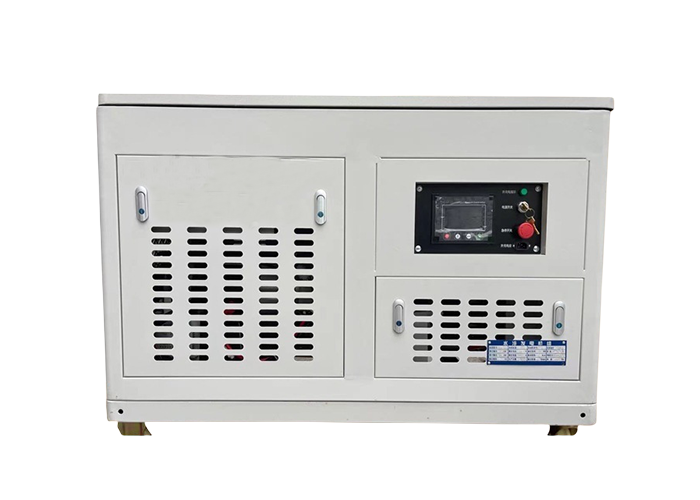
Although gasoline generators require initial investments and incur ongoing expenses, their advantages in terms of providing backup power assurance, enhancing emergency preparedness, and ensuring business continuity can often surpass the initial costs for homeowners and small businesses. Performing a comprehensive cost-benefit analysis tailored to specific needs and circumstances is vital for making informed decisions about acquiring and using gasoline generator sets.
11. Case Studies and Real-World Applications
11.1 Residential Backup Power
Case Study: On account of bad weather conditions, a household in the suburbs had frequent power outages. They invested in a gasoline generator set. To ensure uninterrupted power supply during emergencies.
The Practical Application: In different parts of the owner, rely on gasoline generating set during the blackout. To maintain the basic appliances such as refrigerator, heater and lighting, improve the comfort and security of your home.
11.2 Outdoor Events and Construction Sites
Case Study: An event management company, in remote areas with limited power grids, organized an outdoor concert. They use gasoline generator sets, for stage lighting, audio systems and other equipment power supply.
Practical Application: Gasoline generators are commonly used for outdoor activities, construction sites, and other remote areas with limited power supply. It provide reliable electricity for lighting, tools and machinery.
11.3 Mobile Food Trucks
Case Study: Mobile food truck operators rely on gasoline generating set for cooking utensils, refrigerators and other equipment power supply. At the same time in different locations, there is no electricity connection.
The Actual Application: Gasoline generator for mobile food trucks and catering enterprises is essential. Generator sets allow them to operate independently at events, festivals and on street corners, convenient for preparing and storing food on the go.
11.4 Emergency Services and Disaster Relief
Case Study: Emergency response teams deployed gasoline generator sets in areas affected by natural disasters, providing crucial power supply for medical equipment, communication devices, and temporary shelters.
Real-World Application: Gasoline generators play a vital role in emergency services and disaster relief efforts, ensuring continuity of operations and providing essential power for lifesaving equipment and services in affected communities.
11.5 Remote Telecommunication Towers
Case Study: Telecommunication companies utilized gasoline generator sets to power remote cell towers located in rural or off-grid areas without access to the main power grid.
Real-World Application: Gasoline generators are widely used in telecommunications infrastructure to provide backup power for remote towers, ensuring uninterrupted communication services in areas prone to power outages or inaccessibility.