
Table of Contents
1. Generator Brand Selection

Cummins Diesel Generator Set
Cummins diesel generator sets have very wide of applications. It can be used in residential and commercial and industrial and utility applications and emergency power and standby power and prime power and continuous power.

Perkins Diesel Generator Set
Perkins diesel generator sets have a wide rang of applications. They can be used in standby and prime power solutions and industry and construction and agriculture and power generation.

Doosan Diesel Generator Set
Doosan diesel generator sets are designed to meet the needs of various industries. It can be used in construction and mining and oil and gas and events and include primary and backup power solutions.
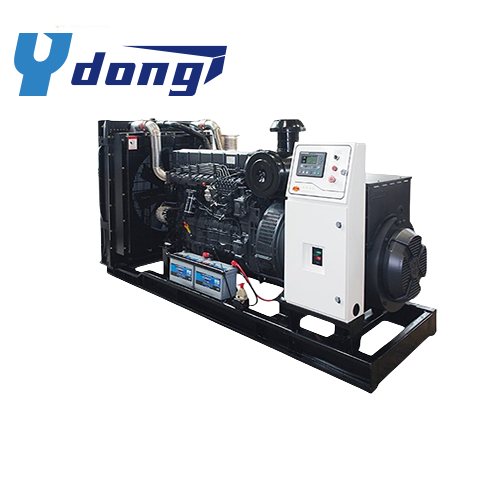
Shangchai Diesel Generator Set
Shangchai diesel generators are known for their reliability and durability and efficiency. They can be used in various applications. Such as industrial and marine and power generation and construction.

Weichai Diesel Generator Set
Weichai Diesel generator sets have very wide applications. It can be used in industrial and marine and power generation and emergency backup and so on.

Yuchai Diesel Generator Set
Yuchai diesel generators are famous. Because it has many features. It is efficient, stable and ddifferent. It can be used in different areas, between industrial and construction sites and commercial establishments and public infrastructure.
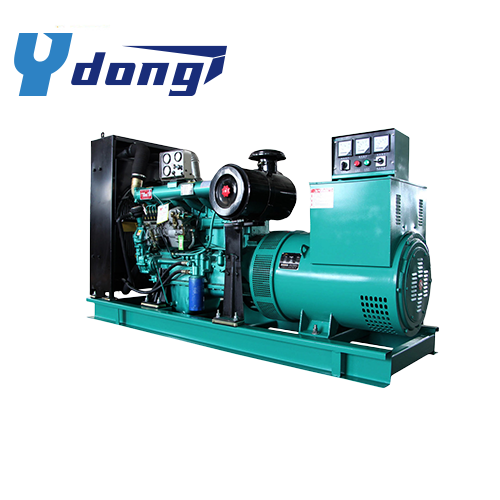
Baudouin Diesel Generator set
Baudouin diesel generators are designed to meet the needs of a wide range of applications. These include marine, industrial and standby power requirements.

SME Diesel Generator Set
To meet the diverse needs of these businesses, SME diesel generators are available in a range of configurations. These generators are designed with the flexibility and reliability and efficiency to meet the diverse operational requirements of SMEs in a range of industries.

MTU Diesel Generator Set
MTU diesel generators are particularly in demand in sectors where reliability, efficiency and technological innovation are the order of the day. It can be used in data centers and hospitals and industrial complexes and critical infrastructure and so on.
2. What is a diesel generator?

The engine of genertor set can convert the chemical energy in diesel fuel into electricity by burning diesel fuel. The combustion of diesel fuel can drive the motor attached to an alternator so that product generates electricity.
Diesel generators are konw for their efficiency and robustness and ability to provide reliable power. Their ideal have a wide range of applications. It can used in from emergency backup systems to off-grid power supply.
They meet the needs of everyone from small residential applications to large industrial operations and are renowned for their fuel efficiency, long life and powerful performance.
3. How to use the diesel powered generator?
A diesel generator operates by transforming the chemical energy in diesel fuel into electrical energy through various mechanical steps. The combustion of diesel inside the engine propels either a turbine or a piston, which then spins an alternator, producing electricity. The process initiates with the diesel fuel igniting in a combustion chamber, generating mechanical energy.
This mechanical energy is then converted into electrical energy by the alternator. Diesel generators are crucial in scenarios demanding dependable power, such as during utility failures or in areas without grid access, due to their high efficiency, robustness, and capacity to provide consistent power for long durations.

For efficient and reliable operation throughout their lifetime, diesel generators require regular maintenance. It helps prevent downtime, extends the generator’s life and ensures it is always ready to provide power when needed. Here are some key maintenance tasks typically involved in keeping a diesel generator in good working condition:
Frequent inspections for indications of deterioration, leakage, or damage are crucial.Check all components of the generating set, including tubing, belts, battery and connectors, in the event of a problem.
Replacing the engine oil and oil filter according to the Ydong Power’s suggested schedule aids in maintaining smooth engine operation and wards off early deterioration.
Monitoring and topping up coolant as required, while also examining the radiator and hoses for any leaks or obstructions.
Diesel fuel can break down over time, resulting in the formation of deposits and pollutants. Replace fuel filters regularly and keep the fuel system clean for optimum performance.
Changing or servicing air filters is vital to guarantee that the engine intakes pure air for combustion, a key factor in maintaining operational efficiency.
Inspecting the battery for proper electrolyte levels and clean terminals, ensuring it is fully charged and primed to power up the generator as required.
Regularly subjecting the generator to operational tests under load conditions to evaluate its functionality and uncover any hidden issues that might not manifest during no-load operations.
Inspecting the control panel to verify it functions correctly and confirming that all electrical connections are tightly secured.
Examining the exhaust system for any leaks that could pose safety risks and compromise the generator’s performance efficiency.
5. How the diesel generator is utilized can prolong its operational lifespan?
Regular exercise of a diesel generator, meaning periodically running the generator under load when it’s not in active use, has several positive effects on its operational lifespan and reliability. Here are some key benefits of regularly exercising a diesel generator:
5.1 Prevents Fuel Degradation
Diesel fuel can break down over a period of time, causing gum and varnish to build up in the fuel system. Running the generator regularly keeps the fuel in motion, preventing degradation and keeping the fuel system clean. This minimises potential issues related to fuel quality deterioration.
5.2 Lubricates Engine Components
Frequent operation of the generator promotes the distribution of oil across the engine, guaranteeing that every moving component remains adequately lubricated. This action helps to lower the likelihood of mechanical parts seizing or experiencing early wear and tear because of insufficient lubrication.
5.3 Prevents Battery Deterioration
Consistently initiating and operating the generator aids in keeping the battery charged. Batteries left unused for extended durations are prone to discharging completely, which can result in their inability to power up the generator when required.
5.4 Identifies Potential Issues Early
Routine use of the generator facilitates the prompt identification of any functional problems. This means that issues like challenges in starting, atypical sounds, or discrepancies in power output can be recognized and rectified early on, preventing them from escalating into more serious malfunctions.
5.5 Reduces Moisture Buildup
The generator warms the engine and exhaust system, aiding evaporation of any moisture build-up. Water can cause corrosion and other problems, reducing the overall life of the generator.
5.6 Prevents Wet Stacking
When diesel engines operate under low load for prolonged times, they may suffer from “wet stacking,” a situation where unburned fuel gathers in the exhaust system. Consistent operation of the generator with an appropriate load promotes full combustion, thereby averting this issue.
5.7 Ensures Readiness for Emergency Use
Frequent operation of the generator guarantees its readiness for emergency situations. This practice verifies the generator’s capability to function as anticipated during critical moments, offering dependability and assurance.
6. Precise generator size
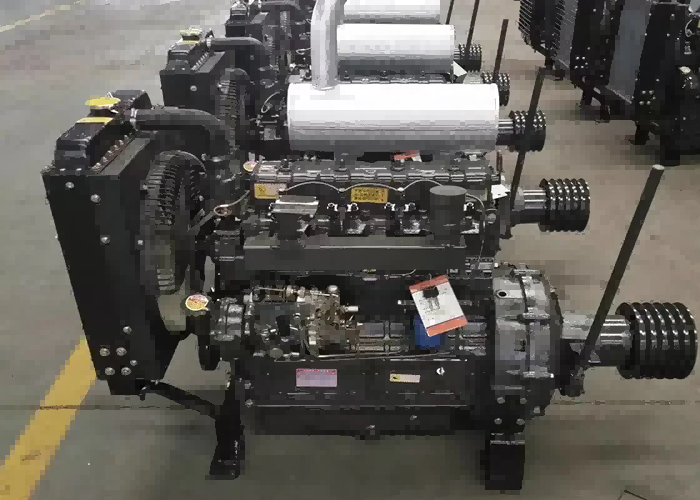
6.1 Appropriate Sizing for Load Requirements
Generators are engineered to perform best at certain load capacities. When a generator is oversized relative to its required load, it may not operate efficiently, resulting in problems like wet stacking in diesel generators—this is when unburned fuel builds up due to the generator not achieving its ideal operating temperature.
On the other hand, a generator that is undersized for its demand can become overstressed, causing it to overheat and wear out prematurely due to excessive strain.
6.2 Efficiency and Fuel Consumption
Generators that match their load requirements closely tend to use fuel more efficiently and incur lower running expenses. By contrast, a generator is too big for its load runs less efficiently, consuming more fuel for every unit of electricity it produces. This inefficiency not only raises the cost of operation, but may also heighten the need for maintenance and risk of damage from incomplete combustion.
6.3 Wear and Tear
When a generator is regularly run over or below its optimum load capacity . This can undergoe its increased wear and tear. Subjecting a generator to overload conditions can result in too much heat and strain on its components.
It also may cause them to fail earlier than expected. Conversely, operating a generator with too little load can lead to incomplete fuel burning, resulting in carbon accumulation and deterioration of the internal components.
6.4 Maintenance and Repairs
Generators that are not properly sized for their application tend to require more frequent maintenance and repairs. The stress of operating under non-ideal conditions can lead to more frequent breakdowns and a need for parts replacements, which can shorten the overall lifespan of the generator.
6.5 Operational Stability
Generators correctly match its load requirements. It can tend to offer more consistent performance and reduced instances of voltage swings and issues related to power quality. Such stability is crucial not only for extending the generator’s service life but also for safeguarding the appliances and machinery that rely on its power.
6.6 Lifecycle Costs
The upfront cost of acquiring a generator represents just a fraction of its overall lifecycle expense. Utilizing a generator that doesn’t align with the required size can escalate fuel expenses, amplify the need for maintenance, and necessitate early replacement. These factors collectively elevate the total ownership cost.
7. General life span

The service life of diesel generators can span from at least 15,000 hours to as much as 50,000 hours prior to necessitating any maintenance. However, each generator’s actual life depends on a fewkey factors. Such as how well the generator’s capacity matches its load demands and the rigor of its preventive maintenance schedule.
The durability of a generator is also influenced by its annual operating hours. For example, a generator utilized for 650 hours annually could last up to 30 years to accumulate a total of 20,000 operational hours. Conversely, the service life will diminish for generators that log more hours each year.
8. Usage categories
8.1 Overuse
Overuse of a generator can seriously impact its service life. Due to leading to a range of issues , it can reduce its operational efficiency, reliability, and overall lifespan.
Increased Wear and Tear: Continuous use subjects all parts of the generator. It include the engine, alternator, and cooling systems, to ongoing strain. Because this heightened stress can accelerated aging of components, resulting in an increased incidence of breakdowns and a higher demand for part replacements.
Overheating: Generators are engineered to function optimally within designated temperature limits. Exceeding these limits through overuse or operating beyond the suggested load capacity and duration recommended by the manufacturer can lead to overheating. This excessive heat can harm vital parts, diminish the generator’s performance, and elevate the likelihood of operational failures.
Battery Wear: For generators equipped with electric start mechanisms, continuous operation may result in quicker battery wear, compromising the generator’s ability to reliably start when required.
8.2 Underuse
Not frequently using a generator, or its underutilization, can adversely impact its longevity and dependable performance.
In generators that feature electric start systems, not using them regularly can cause the battery to slowly lose its charge, a phenomenon referred to as self-discharge. Over time, if the generator is not activated, this can drain the battery to the extent that it lacks the necessary power to turn over the engine, effectively making the electric start function inoperative.
Because batteries gradually discharge themselves when left unused, so that this issue arises. It lead to a situation where the battery becomes incapable of performing its primary function.
If fuel of diesel, gasoline or other types is not used in the fuel tank of the generator for a long time, this can lead to deterioration of fuel. This deterioration is not simply about the fuel becoming not so effective.
It’s about a detailed chemical decomposition that turns the fuel into substances that are harder to ignite. As this process unfolds, the altered chemical composition of the fuel can greatly reduce its ability to efficiently power the engine.
For diesel generator sets, the problem of moisture not just rust and corrosion. When water seeps into the system the Unique features of diesel fuel make it become a breeding ground for microorganisms such as bacteria and fungi.
These microorganisms consume the diesel fuel, proliferate, and create a biomass that obstructs filters, injectors, and fuel lines. Moreover, the acids produced as waste acid produced by these microorganisms can speed up the corrosion process in the fuel system.
This phenomenon often referred to as “diesel bug”. It can poses a significant threat to the integrity of the fuel system and engine. If not addressed promptly, it can lead to substantial damage.
When seals and gaskets begin to crack, their effectiveness in sealing is significantly reduced, opening the door to possible oil, fuel, or coolant leaks. These leaks go beyond the simple issue of fluid loss; they pose serious risks to the generator’s mechanical health.
For example, the oil leaks could result in a lack of proper lubrication for the engine’s moving components, leading to increased friction and accelerated wear. The fuel system leak not only increase the risk of fire but also affected the operating efficiency of a generator.
Meanwhile, coolant escaping through compromised seals can lead to the engine overheating, potentially causing severe damage to the engine’s internals.
9. Maintenance
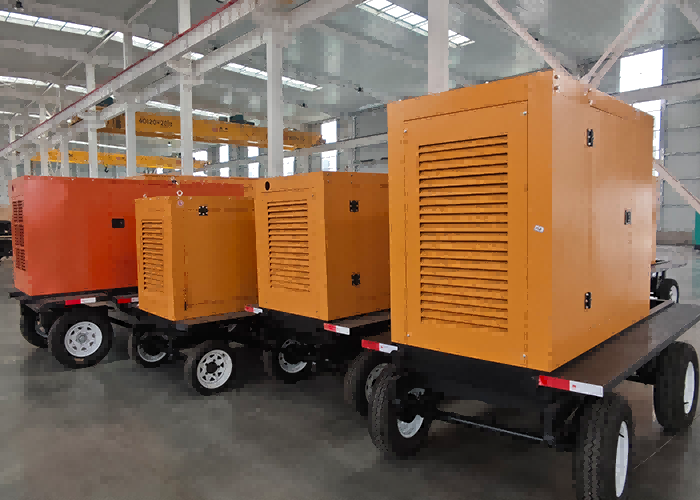
9.1 Routine maintenance
Routine maintenance is essential for the longevity and efficiency of generators, involving several key tasks that directly impact the health of the system. Changing the oil, replacing filters, and thorough inspections are cornerstone practices in this maintenance regimen, each playing a vital role in preserving the generator’s condition and functionality.
9.1.1 Changing the Oil
Change oil regular is crucial for ensuring the smooth operation of the generator’s engine. The oil lubricates moving parts, reducing friction and wear. Over time, oil breaks down and contaminateds with particles, losing its effectiveness as a lubricant.
If not fresh oil, the increased friction can cause excessive wear and damage engine components, significantly shortening the generator’s lifespan.
9.1.2 Replacing Filters
A filter in a generator, it includes air and fuel filters, playing a key role in protecting the engine from contaminants. The air filter prevents dirt and fragments enter the engine through the air intake. In the meantime the fuel filter cleans out impurities from the fuel.
Clogged or dirty filters can restrict airflow and fuel flow, forcing the engine to work harder. Do that can lead to inefficiency, increased fuel consumption, and the risk of overheating. Regularly replacing these filters ensures that the engine receives clean air and fuel, crucial for optimal performance and preventing damage.
9.2 Annual professional maintenance
Securing annual professional maintenance for your generator is essential to ensure it remains in prime condition, demonstrating reliability and efficiency throughout its operational life. This necessity stems from the fact that various generator issues might not manifest in immediate performance degradation, making them less apparent to the untrained eye.
However, these underlying problems, if left undetected, can lead to significant malfunctions or a complete breakdown over time. It is here that the expertise of seasoned technicians becomes invaluable. These professional personnels possess professional knowledge and comprehensive inspection techniques, potential problems can be identified and corrected before they escalate. In addition, regular service checks can be timely replace worn parts.
On the basis of update the system with the latest technological advances and make adjustments. So that can ensure the generator is operating at optimum parameters. This proactive maintenance method extended the service life of generator also ensure its efficiency and reliability.
Do it this way, make sure it can provide uninterrupted power when you need it most. In essence, annual professional servicing is a critical investment in the health and longevity of your generator, safeguarding against unexpected failures and optimizing performance for the long haul.
During annual maintenance sessions, specialized technicians undertake a comprehensive approach that goes beyond mere problem identification. They engage in a series of critical interventions designed to optimize the generator’s performance.
This extensive maintenance regimen encompasses a meticulous cleaning of internal and external components, ensuring that every part operates without the hindrance of dirt or debris. The process also involves the replacement of aging fluids and filters, a step that is crucial for maintaining the engine’s health and efficiency.
For generators that incorporate digital controls, updates to software are performed, keeping the system aligned with the latest technological standards and enhancements.
10. Application of Diesel Generator Set
The application of diesel generators spans a vast spectrum of industries, highlighting their significant utility and adaptability. These generators are highly sought after for their exceptional reliability, extended service life, and superior efficiency in operations. Their ability to meet a wide variety of needs makes them indispensable in numerous fields.
10.1 Emergency Power Supply
Emergency diesel generators serve as essential backup power solutions in settings such as hospitals, data centers, commercial properties, and homes, providing a continuous power supply even during disruptions.
10.2 Remote Locations
These Diesel Generators in Generators deliver electrical power to off-grid locations, encompassing distant construction zones, mining sites, and communities in rural settings.
10.3 Industrial and Construction Sites
Industrial Diesel Generators play a crucial role in providing the necessary continuous and high-power supply for machinery and operations in industrial and construction settings.
10.4 Events and Mobile Applications
Large Portable Diesel Generators serve as portable sources of power for outdoor activities such as events, concerts, and fairs, and support mobile operations like catering services and military engagements.
10.5 Utilities and Infrastructure
Utilities employ diesel generators for tasks such as peak shaving, responding to demand fluctuations, and providing emergency electricity to ensure grid stability and maintain power supply during periods of high demand or maintenance.
10.6 Maritime and Aviation
On maritime vessels, marine diesel generators are key for both main and supplementary power. Likewise, airports rely on them for backup electricity and to operate ground support machinery.
10.7 Agriculture
These generators drive agricultural machinery, fuel irrigation systems, and offer a secondary power source for farming operations.
10.8 Telecommunications
Diesel generators maintain a constant power flow to telecommunications systems, particularly in isolated towers and sites.
10.9 Healthcare Facilities
Silent diesel generator set is important for medical facility. When the power goes out it can provide reliable power for medical equipment and Life-sustaining equipment.
10.10 Educational Institutions
Educational institutions rely on diesel generators to sustain their activities and ensure critical systems remain operational in times of crisis.
11. Conclusion

The wide-ranging adaptability and proven dependability of diesel generators position them as a cornerstone in the power management tactics of diverse industries. These generators are pivotal in guaranteeing the seamless continuation of operations and upholding safety standards during periods when power stability cannot be taken for granted.
Their capability to supply reliable power under various conditions makes them indispensable, especially in critical sectors such as healthcare, telecommunications, and essential public services. By providing an immediate response to power outages and fluctuations, diesel generators help mitigate risks, prevent operational disruptions, and ensure that essential functions and services can continue without interruption.
This resilience against power uncertainties enhances organizational preparedness and safeguards against potential losses or hazards, underscoring the vital role diesel generators play in contemporary power management and emergency planning frameworks across multiple sectors.