

Caterpillar Natural Gas Generator Set
Caterpillar natural gas generators are highly regarded their robustness, reliability and operating efficiency. They are industry, commerce and public utility sector ideal power solution. This makes them become pursue sustainable and economically viable energy options are preferred by businesses.

Cummins Natural Gas Generator Set
Cummins generator set is a global leader in power generation. It offers a broad range of natural gas generator sets designed for various applications. It can work from residential backup power to commercial and industrial settings. Cummins natural gas generators are known for its reliability, efficiency and advanced technology.
Generac Natural Gas Generator Set
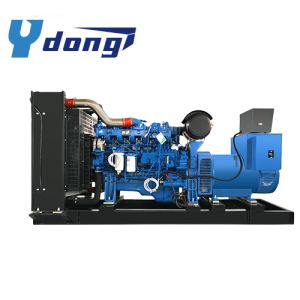
Generac natural gas generators are designed for them residential and commercial applications. It offers reliable backup power solutions and it is efficient and easy to operate.

Kohler Natural Gas Generator Set
Kohler natural gas generators are designed for residential and commercial applications. It provides reliable backup power solutions and it is high efficiency and environmental protection. These generator sets are highly valued for their quality, durability and innovative features.

Wärtsilä Natural Gas Generator Set
Wärtsilä natural gas generator sets are highly regarded for their efficiency, flexibility and environmental performance in the field of power generation. These generators are suited for a wide array of applications. Such as utility-scale power plants, independent power production and industrial power generation.

Siemens Natural Gas Generator Set
Siemens natural gas generators are designed for high efficiency, reliability and environmental sustainability. They are suitable for various applications. Such as industrial, commercial and utility power generation.

GE Power Natural Gas Generator Set
GE Power natural gas generator sets are knowned their performance, reliability and innovation. The generators are designed to meet a diverse range of applications in needs. Such as peaking power plants, cogeneration (CHP) and backup power for large commercial or industrial facilities.

Baldor Natural Gas Generator Set
Baldor natural gas generator sets, which included natural gas-powered options. These generators are in order to meet various industrial and commercial power needs, emphasizing reliability, efficiency and durability.

MTU Natural Gas Generator Set
MTU natural gas generators are work for a wide range of applications. Such as standby power, continuous power and cogeneration for industrial, commercial, healthcare, data center and utility sectors.
Natural gas generators provide electricity by converting natural gas into electrical power. They offer a reliable source of energy. They can serve as either a primary power source or a backup system during power outages.
2.1 Natural Gas Supply
The operation of a natural gas powered generators set kicks off with the delivery of natural gas to the generator’s system, either through a dedicated utility line directly connected to the municipal gas supply or from a specially installed storage tank on the premises. This fuel is predominantly composed of methane, a simple hydrocarbon with a single carbon atom bonded to four hydrogen atoms, making it highly efficient for combustion processes.
Alongside methane, the natural gas mixture includes a variety of other hydrocarbon gases such as ethane, propane, and butane, albeit in much smaller quantities. These additional hydrocarbons can slightly vary the energy content of the gas, but methane remains the primary component due to its abundance and energy efficiency.
2.2 Gas Engine or Turbine
Once the natural gas has been supplied and prepared, it is channeled into the generator’s core machinery. It is an engine or a turbine. This serves as the heart of the electricity generation process. For smaller-scale applications, for example those are designed for residential use, The generator usually contains an internal combustion engine.
The engine works in a similar way to a car engine. But it is specially adapted to use natural gas and its fuel sources, not gasoline or diesel. These adaptations may include changes used in construction. Such as the fuel injection system, combustion chamber design and the materials. In order to accommodate the different burning characteristics and chemical properties of natural gas.
In contrast, larger-scale operations often rely on turbines to convert natural gas into electrical energy. Such as industrial facilities and utility-scale power generation plants. Turbines are favored in these situations, because they are able to handle high power outputs more efficiently.
Unlike internal combustion engines, the internal combustion engine drives the piston through a series of small, controlled explosions. The working principle of turbine is injection gas makes the rotor rotate at a high speed.
This method of generating mechanical energy from natural gas is particularly efficient at large scales. The continuous flow and high speed of natural gas can be exploited on a large scale to generate large amounts of electricity.
2.3 Combustion Process
Within the confines of the generator’s engine or turbine, a critical process unfolds as natural gas is meticulously blended with air and ignited within a specially designed combustion chamber. This movement is the core of engine operation.
Because each the movement of the piston and crankshaft intricate together. The linear motion of the piston is converted into rotational motion through the crankshaft. This is a critical transformation. It supports the working capacity of the engine. In this case, an alternator or generator is driven to generate electricity.
In a generator powered by an internal combustion engine, this surge of hot gas puts pressure on the piston. Make them move the piston rhythmically back and forth. This motion is the heart of the engine’s operation. Because each piston’s movement is intricately linked to a crankshaft.
The linear motion of the piston is converted into rotational motion by the crankshaft. It is a critical transformation. It supports the working capacity of the engine. In this case, an alternator or generator is driven to generate electricity.
Conversely, in a turbine-powered generator, the process harnesses the high-velocity hot gases differently. As these gases expand, they rush past turbine blades, imparting their kinetic energy to spin the turbine around its axis.
This spinning action directly translates the energy of the moving gases into mechanical energy without the intermediary step of piston movement. The design of turbines allows for a smooth, continuous flow of energy, making them particularly suitable for generating large amounts of power efficiently and reliably over time.

2.4 Electricity Generation
After chemical energy is converted into mechanical energy in the engine or turbine. This mechanical force is used to drive an alternator or generator. They are key components in the process of generating electricity. The role of alternator is the use of electromagnetic induction principle, the mechanical energy into electrical energy. This scientific principle was discovered in the 19th century is the basis on which most power generation systems operate today.
When an engine or turbine is running, it pushes the shaft to spin at high speed. The shaft is connected to the alternator or generator as a whole. Its rotation is the key to generating electricity. Within the alternator, this rotational motion engages a magnetic field, which is either produced by permanent magnets or induced electromagnetically by current flowing through windings. This rotating magnetic field then moves past coils of conducting wire, typically copper, arranged within the alternator.
The interaction between the rotating magnetic field and the wire coils is where the magic of electromagnetic induction occurs. On the basis of Faraday’s law of electromagnetic induction, the coil magnetic of any change in the environment creates a voltage (electromotive force) in the coil. When the magnetic field rotates inside the alternator, it will constantly change the magnetic flux in the coil. This generates a voltage across the wire and therefore a current.
This current is essentially the electrical energy we use. It can be alternating current (AC) or in some generator designs. Convert to direct current (DC) according to the specific requirements of the system it is powering. The complexity of this process highlights the wonders of electromagnetic theory. Also highlight the electricity generation by using the principle of complex engineering.
2.5 Distribution
After the electricity has been generated and appropriately conditioned, it is ready for distribution and utilization, marking the final leg of its journey from natural gas to electrical power. This regulation includes the regulation of voltage and the conversion of current form. If necessary, to match the specific requirements of the receiving electrical system. The compatibility of power and terminal environment is the key to ensure the safety, efficiency and reliability of power transmission.
For equipped with its own natural gas generators of residential, commercial or industrial facilities. It generateds electricity can be fed directly into the building’s internal power system. This direct feed allows these facilities to use electric. For example lighting, heat, cooling and powers all kinds of appliances and machinery. The Seamless integration of generators and power infrastructure facilities to make it self-sustaining. Power in the power system of power failure or unreliable or expensive region is particularly valuable.
Moreover, if the generator is part of a larger power generation facility. Such as those power generation facilities that supply electricity to a national or regional grid. The electricity generated will be further regulated to ensure it meets the grid’s strict standards for frequency and voltage. This step is important for maintain the stability and reliability of the power grid. Power grid is a complex network composed of power sources, transmission lines and distribution systems. Aims to supply electricity to the distance of millions of users.
3.1 Environmental Benefits
Natural gas generators emit significantly lower levels of pollutants such as sulfur dioxide (SO2), nitrogen oxides (NOx) and particulate matter than diesel or coal-fired generators. They of carbon dioxide emissions per unit of power generation and less, make them cleaner fossil fuel option.
Investing in natural gas generators is a strategic move to achieve lower GHG emissions for businesses and individuals to reduce the environmental footprint. And compared to traditional fossil fuels such as coal and diesel energy gas generator emissions of pollutants.
Such as sulfur dioxide, nitrogen oxides and particulate matter. More importantly, they significantly reduce carbon dioxide emissions per unit of energy production. So that make them a cleaner alternative within the spectrum of fossil fuels.
3.2 Cost-Effectiveness
Economically, the superior fuel efficiency of natural gas generators translates into a marked reduction in fuel consumption for equivalent power production levels. This efficiency becomes increasingly significant in scenarios where generators are in constant use, such as in industrial operations or in providing mainline power in remote locations. Over time, the cumulative savings on fuel expenses can represent a considerable financial advantage, making natural gas generators an economically sound choice for long-term energy needs.
It’s also worth noting, the operation of the gas generator advantages beyond the efficiency and environmental benefits. Natural gas is usually supplied via pipelines, simplifying fuel logistics and eliminating the need for on-site fuel storage. This is a significant advantage of diesel generators. Because diesel generators require regular refueling and adequate fuel storage facilities.
3.3 Reliability and Flexibility
The reliability of the gas generator depend on the nature of its fuel source. Unlike diesel or gasoline generators require manual refueling and on-site storage of fuel, natural gas usually by extensive and mature conveying pipeline infrastructure. This direct pipeline supply minimizes logistical challenges and disruptions associated with fuel delivery and storage and realizing seamless and continuous power generation process.
Generators driven by natural gas have significant versatility in a wide range of applications. It woks from compact units designed for residential backup to expansive systems capable of serving industrial operations and utility-scale power generation projects.
This wide applicability is a testament to the adaptability and scalability of natural gas generator technology. It can be tailored to meet diverse energy demands. Whether to provide emergency power during power outages, supplement the grid during peak usage hours, or act as a primary power source in remote or off-grid areas.
3.4 Disadvantages of Natural Gas Generators
3.4.1 Dependency on Infrastructure
The functionality of Natural Gas Generator Sets is fundamentally linked to the presence of a robust pipeline infrastructure, as these generators require a steady and reliable supply of natural gas to operate. In regions where this pipeline network is absent or underdeveloped, deploying natural gas generators becomes impractical, limiting their applicability to areas with established natural gas delivery systems. This dependency underscores the geographical and infrastructural constraints that can influence the choice of power generation equipment.
The reliance on pipeline infrastructure for natural gas supply means that in remote, rural, or newly developed areas, where such infrastructure is either non-existent or in the early stages of development, the use of natural gas generators is significantly challenged. This limitation not only affects the scalability of natural gas-powered solutions in these locales but also highlights the need for comprehensive planning and investment in energy infrastructure to expand the reach and benefits of natural gas power generation.
3.4.2 Environmental Concerns
While natural gas stands out as a more environmentally friendly option compared to other fossil fuels due to its lower carbon dioxide emissions when burned, the processes involved in its extraction and transportation are not without environmental impacts. Notably, these stages are susceptible to the release of methane, a greenhouse gas that is significantly more potent than carbon dioxide over a short time frame. This aspect of natural gas production and distribution presents a considerable environmental challenge, undermining the fuel’s cleaner profile.
3.4.3 Initial Investment
The upfront investment required to install a natural gas generator often surpasses the cost associated with setting up diesel-powered alternatives. Primarily due to the additional expenses involved in establishing a connection to a natural gas supply line. This higher initial cost reflects the need for specialized infrastructure. Such as gas pipelines and appropriate safety mechanisms, to ensure a steady and secure supply of natural gas to the generator.
3.4.5 Maintenance and Operational Considerations
Compared to other power generation options, the operating framework of natural gas generators usually involves more complex infrastructure and rigorous maintenance procedures. This can lead to increased operating expenses. This complexity is due to the nature of natural gas as a fuel source and the technical requirements for its safe and efficient use. For instance, the infrastructure needed to deliver natural gas to the generator site. Including pipelines and metering stations, must be precisely engineered and regularly inspected to ensure safety and reliability.
4.1 Advanced Combustion Technologies
High-Efficiency Cycles: Implement an advanced combustion cycles, such as combined cycle gas turbines. Waste heat from the gas turbine is used to generate additional power through the steam turbine. It can significantly improve overall efficiency.
Lean-Burn Technology: The further development of lean combustion technology. It allows the engine to operate at a higher air-fuel ratio and reduce peak combustion temperature.

4.2 Enhanced Control Systems
Smart Control Technologies: Using artificial intelligence and integration of intelligent control technologies for machine learning. It can be real-time optimize fuel consumption and operating efficiency. Without human intervention, it can adapt to different load requirements and operating conditions.
Predictive Maintenance: Advanced diagnostics and predictive maintenance technologies can anticipate potential problems before they lead to inefficiencies or increased emissions. This means it can ensure the generator operates at peak performance.
4.3 Emission Control Systems
Integration with Renewable Energy: Combine natural gas generators with renewable energy sources, such as solar or wind, in a hybrid system. So that can reduce dependency on fossil fuels and lower overall carbon footprint. These systems can make use of gas generator in the reliability of the low during the renewable energy generation.
Energy Storage Systems: Future natural gas generators may be combined with advanced energy storage technologies such as batteries. So that to increase efficiency and reduce emissions. Energy storage can balance load and power supply and reduce the need for generators to operate under inefficient partial load conditions.
4.4 Fuel Flexibility
Biogas and Hydrogen Mixtures: Use biogas or hydrogen-natural gas mixture as a fuel for research. It can reduce the carbon intensity of natural gas generators. Hydrogen, in particular, offers a path to near-zero emissions. Future generators could be designed to use a higher proportion of hydrogen in the gas mixture.
Synthetic Natural Gas (SNG): Make use of renewable resources give birth to progress of coal to natural gas. It can provide carbon-neutral fuel for natural gas generators. Greatly reducing its impact on the environment.
4.5 Life of Natural Gas Generators
Primarily used as a barrier to keep poultry, small animals, or birds enclosed within a specific area. It can also serve as a deterrent to prevent predators from accessing or harming enclosed animals.
4.6 Temporary or Permanent Applications
Chicken wire can serve both temporary and permanent needs. It’s frequently used in temporary situations due to its ease of installation and affordability, but it can also be used in more permanent fixtures with proper installation and maintenance.
4.7 Versatility
Beyond its primary uses in agriculture and animal husbandry, chicken wire finds applications in various DIY projects, arts and crafts, and even in construction for specific purposes like plaster reinforcement or insulation support.
nd improve its properties. Tension is applied to the wire during drawing, typically using capstans or other drawing machinery.
Cooling and lubrication play crucial roles in preventing overheating and reducing friction. Intermediate annealing may be employed to relieve stress and enhance ductility. The following are specific explanations of some of the key techniques involved in the wire drawing process.

The future perspectives of Natural Gas Whole House Generators involve several key considerations reflecting the broader energy, environmental, and technological landscapes. Here’s an overview of the primary factors that are likely to shape the evolution and use of natural gas generator sets in the coming years:
6.1 Environmental Regulations
Environmental policies and regulations have become more stringent as global commitments to mitigate climate change have grown. The shift to deployment and operation of the gas generator set standards has a direct effect. So that need to improve the efficiency and reduce the emission levels.
In response to these regulatory pressures, developments and adoptions are aimed at reduce the effects of the power system of ecological technology of power is more and more big. Among these technologies, Carbon Capture and Storage (CCS) as a particularly promising solution to stand out.
CCS technology refer to capture the carbon dioxide produced during power generation and to isolate it from the atmosphere. To prevent them from adding to global warming. The integration of CCS and gas generator sets are a key way to achieve clean energy production.
By effectively reducing the carbon footprint of natural gas generators, CCS aligns these power systems with stricter environmental standards and enhances their viability in a future increasingly dominated by renewable energy sources.

6.2 Technological Advancements
Technological advancements in generator design will significantly improve the efficiency of the gas generator sets, functional and environmental compatibility. To deal with the complicated control system of internal combustion engine efficiency, as well as the core and the seamless integration of renewable energy in the field of innovation. It is at the forefront of changing the way these generators operate and are used in various fields.
Internal combustion engine technology improvement is to improve the overall efficiency is the core of the gas generator sets. These enhancements involve refining the engines to extract more power from the same amount of fuel and aim at reducing emissions through cleaner combustion processes. Therefore, new models of natural gas generators are expected to offer higher yields and less impact on the environment. Make it become a more sustainable power generation option.
Advanced control systems represent another critical area of innovation, offering smarter, more responsive operations. These systems leverage cutting-edge software and hardware to optimize generator performance in real-time, adjusting to changing load demands and operating conditions without human intervention. Such intelligent control mechanisms enhance the reliability and efficiency of natural gas generators. Make them to operate more economically and with greater precision. This is especially beneficial for applications that require high quality and stability. Such as hospitals, data centers and other critical infrastructure.
The integration of natural gas generators with renewable energy sources is a development. It underscores the shifting dynamics of the global energy landscape. By combining the reliability of natural gas generation with the sustainability of renewables like solar and wind. It makes hybrid energy systems can provide a continuous power supply even in the absence of favorable weather conditions.
This synergy maximizes the utilization of renewable energy and ensures a stable and reliable power supply to make it an ideal solution for both off-grid applications and augmenting the existing power grid. These hybrid systems can dynamically balance the intermittent nature of renewable sources with the on-demand capability of gas generators. So that to offering a resilient and flexible energy solution.
6.3 Decentralization and Microgrids
The development of decentralized energy systems and proliferation of microgrids represents a major shift in the energy landscape. It emphasizes the need for more localized, reliable and sustainable power solutions. In this evolving context, natural gas generator sets emerge as a highly compatible technology.
It offers dependable and efficient electricity generation in configurations. It can be easily scaled to meet varying demands. Their adaptability and compactness make them particularly suitable for integration into microgrids. They can operate in concert with renewable energy sources to ensure a continuous power supply.
Natural gas generators bring several advantages to the microgrid equation. They provide a stable and controllable power source. It can respond quickly to fluctuations in demand or changes in the supply of intermittent renewable energy sources such as solar panels and wind turbines.
This ability is vital for maintaining stability and reliability of the micro grid. This capability is crucial in maintaining the stability and reliability of microgrids. Particularly in remote or isolated communities, industrial operations, or critical infrastructure that cannot afford interruptions in power supply.
Combining natural gas backup generators with renewable energy systems within microgrids, it is an example of a hybrid power generation method. This model leverages the best of both worlds. Such as the carbon efficiency and dispatchability of natural gas generation and the sustainability and low operational costs of renewables.
Through the optimization of power combination, micro grid can minimize the impact on the environment, at the same time enhance the ability of energy security and protection against external power grid interference.
Moreover, the development of microgrids featuring natural gas generators is instrumental in advancing energy democratization. It empowers communities, businesses, and institutions to take control of their energy production and consumption.
It could promote greater energy independence and potentially lower costs. This method also conform to pass more efficient use of energy and to the low emission natural gas strategy shift to the broader goal of reducing your carbon footprint.
6.4 Digitalization and Smart Technology
The development of decentralized energy systems and proliferation of microgrids represents a major shift in the energy landscape emphasizes the need for more localized, reliable and sustainable power solutions. Advanced features such as predictive maintenance, remote monitoring and control capabilities and seamless integration with smart grid infrastructures are expected to become commonplace. These innovations promise to usher in a new era of energy systems, this era is more optimized, responsive to the dynamic needs of modern energy consumers.
6.5 Case Studies and Real-World Examples
Real-world examples and case studies of natural gas generator sets highlight their versatility, efficiency, and the role they play in supporting a wide range of energy needs across different sectors. These case studies illustrate the practical applications and benefits of natural gas generators in various contexts, from providing emergency backup power to supporting grid stability and enabling the integration of renewable energy sources.

6.5.1 Emergency Backup Power for Hospitals
To strengthen emergency preparedness, a major hospital in the northeastern United States has taken a strategic step. A series of backup gas generators were deployed. The move is aimed at establishing a fail-safe mechanism, to ensure uninterrupted power supply in the face of unforeseen emergencies.
In the midst of a particularly bad winter storm, that foresight has paid off, the storm caused widespread power outages across the region. As the external power grid faltered, the hospital’s natural gas generators sprang into action, seamlessly taking over to supply the electricity needed for vital operations.
This transition to generator power ensured that all essential services within the hospital continued without interruption. Life support systems, crucial for the survival of critically ill patients, operated flawlessly. The heating system maintained a comfortable and safe temperature for both patients and staff, warding off the cold that blanketed the area. Moreover, lighting and other critical electrical systems remained functional, ensuring that the hospital staff could perform their duties efficiently and without hindrance.
The success of this initiative has not only demonstrated the operational reliability and environmental advantages of natural gas generators but also serves as a compelling case study for other healthcare facilities evaluating their emergency preparedness strategies. It underscores the critical role that such backup systems play in ensuring the continuity of care and the safety of hospital environments during extreme conditions, thereby setting a benchmark for resilience in healthcare infrastructure.
6.5.2 Microgrid Integration in Remote Communities
In an innovative step towards sustainability, a secluded village in Alaska, situated at a considerable distance from the centralized power grid, has embraced a pioneering microgrid system. This system ingeniously marries the strengths of prime natural gas generators with the renewable prowess of wind turbines.
The Generators Natural Gas Portable Power within this configuration stand as a beacon of steady and dependable power, adeptly filling in the gaps left by the inherently intermittent nature of wind power. This synergistic approach between the two power sources ensures a continuous and reliable electricity supply to the village, markedly reducing the erstwhile dependency on diesel fuel—a choice both costly and detrimental to the environment.
The implementation of this hybrid system marks the village has taken an important step towards energy independence and sustainable development. By harnessing natural gas, a relatively clean fossil fuel, the village can significantly lower its carbon footprint compared to the emissions traditionally associated with diesel consumption.
In addition, the integration of wind turbines emphasized the village’s commitment to renewable energy, use of Alaska abundant wind energy resources to further implement green energy.
6.5.3 Grid Stability and Peak Shaving
In response to the challenges posed by escalating electricity demand, particularly during peak usage times, a utility provider in California has adeptly deployed a fleet of rugged natural gas generators to engage in what is known as peak shaving. This strategic approach involves the timely activation of these generators to bolster the power grid, effectively averting potential overloads and ensuring a consistent supply of electricity. For this purpose, the use of natural gas generators highlights its excellent flexibility and fast response characteristics. Make it becomes a valuable asset for fine management of peak power demand and for enhancing grid stability.
This method exemplifies a proactive approach to energy management and underscores the utility company’s commitment to reliability and efficiency. By integrating natural gas generators into the broader energy mix, utility companies are able to take pressure off the grid when energy consumption peaks. Such as during heat waves or other situations of high demand. This prevents the risk of blackouts and contributes to a smoother, more stable grid operation and enhancing the overall reliability of the power supply to consumers.
Utilities use natural gas generators in California to peak load. It demonstrates the adoption of innovative and adaptive strategies to meet the challenges of modern energy demands. This approach demonstrates a commitment to maintaining grid stability and reliability, it also highlights a forward-thinking stance on environmental stewardship and the efficient management of energy resources.
6.5.4 Industrial Cogeneration
In an exemplar display of energy efficiency and innovation, a manufacturing plant located in Germany has adeptly integrated a cogeneration, or combined heat and power (CHP), system powered by natural gas generators into its operations. This sophisticated system ingeniously produces electricity to meet the facility’s operational demands, while concurrently harnessing the waste heat generated during the process for heating purposes and various industrial applications. This dual-purpose approach not only maximizes the utility of the energy produced but also leads to considerable cost reductions and a notable decrease in carbon emissions. The facility’s adoption of this CHP system underscores the significant potential that natural gas generators hold for promoting sustainability and efficiency within industrial settings.
The cogeneration system at this manufacturing facility serves as a beacon of energy optimization, leveraging the inherent efficiency of natural gas to achieve a higher overall energy utilization rate compared to traditional methods of electricity and heat generation. By capturing and repurposing what would otherwise be wasted heat, the plant significantly enhances its energy efficiency, translating into lower energy costs and a competitive edge in the market.
The success of this CHP system not only demonstrates the economic and environmental benefits achievable through the innovative use of Industrial Natural Gas Generators but also serves as a scalable model for other industries aiming to enhance their energy efficiency and sustainability. The adoption of cogeneration systems can be particularly advantageous in regions with high energy costs or stringent carbon reduction targets, offering a viable pathway towards achieving energy independence and sustainability.