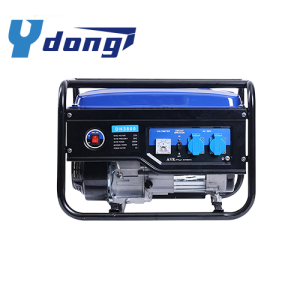
The generator control panel is the central interface for monitoring, operating and protecting the generator set, ensure efficient and safe operation of generating units. These panels are essential for a wide range of applications, from during the blackout provide backup power to where there is no grid services to support the main power supply. Here are the primary functions of generator set control panels:
3.1 Starting and Stopping the Genset
Manual Control: Allows operators to start and stop the generator manually using switches or buttons on the panel.
Automatic Control: Automatically starts the generator when the main power supply fails (using Automatic Mains Failure (AMF) systems) and stops it when the main power is restored.
3.2 Monitoring and Display
Provides real-time monitoring of critical generator parameters such as voltage, current, frequency, and power output.
Displays operational statuses, such as running hours, battery voltage, and engine parameters like temperature and oil pressure.
Uses meters, digital displays, or touchscreen interfaces for easy visualization of data.
3.3 Protection and Safety
Implements safety features to protect the genset from potential damage caused by operational issues like overloading, overheating, and low oil pressure.
Includes automatic shutdown or alarm systems for conditions that could lead to generator failure or unsafe operating conditions.
Features may include circuit breakers to protect against overcurrent and short circuits.
3.4 Voltage Regulation

Adjust the output voltage of the generator, to ensure their stay within the scope of the requirements, provide a stable and consistent power source.
Automatic voltage regulator (AVR) is usually used for this purpose according to the need to adjust the excitation of the generator rotor.
3.5 Frequency Control
Maintains the frequency of the generated power within tight tolerances, crucial for ensuring the smooth operation of electrical equipment.
Speed control systems or governors adjust the speed of the generator’s prime mover (engine or turbine) to keep the frequency stable.
3.6 Load Management
Manages the distribution of load among multiple generator sets running in parallel, ensuring efficient operation and longevity of the gensets.
Includes load sharing controls that distribute the electrical load evenly and prevent overloading of individual units.
3.7 Synchronization
For installations with multiple gensets or those that need to synchronize with the grid, control panels manage the synchronization process.
Ensures that gensets operate in phase and at the same frequency as each other or the grid, enabling seamless power supply transitions.
3.8 Remote Monitoring and Control

Provide remote monitoring and control functions, allows the operator to manage the generator set from a distance.
This function is crucial for large installations, critical infrastructure, and situations where onsite monitoring is impractical.
3.9 Fuel Management
Monitors fuel levels and consumption, providing valuable data for maintenance scheduling and operational efficiency.
In some systems, controls fuel supply to optimize performance and reduce wastage.
3.10 Maintenance and Diagnostic Features
Includes features for predictive maintenance, alerting operators to potential issues before they become serious problems.
Provides diagnostic information for troubleshooting and repairing faults in the genset.

4.1 Manual Control Panels
Features:
Basic control features for starting, stopping, and monitoring the generator manually.
Often include simple indicators for parameters such as voltage, current, and frequency.
Suitable for small generators where automated controls are not necessary.
4.2 Automatic Start/Stop Panels
Features:
Can automatically start the generator in case of power failure, and after the main power supply recovery to immediately stop the generator.
Include basic protection features and indicators for operational status.
Common in backup power applications for residential and small commercial settings.
4.3 AMF (Automatic Mains Failure) Panels
Features:
Automatic detection power outages and starts the generator, the load is then switched from the mains to the generator.
Once mains power is restored, they switch the load back to the mains and stop the generator after a cooling-down period.
Include features for delay settings, fault indication, and sometimes basic load management.
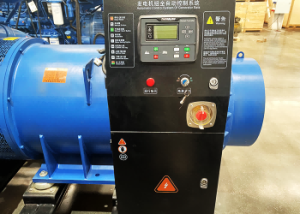
4.4 Synchronization Panels
Features:
Design for multiple generator in parallel operation, the management of synchronization, and load sharing.
Automatically synchronize the frequency, phase, and voltage of generators before connecting them to a common busbar.
Capable of handling complex power management scenarios, optimizing fuel consumption and generator lifespan.
4.5 Distribution Panels
Features:
Focus on distributing the generated power to various loads rather than controlling the generator itself.
Equipped with a circuit breaker, transfer switches and protection devices, manage the distribution system and protection.
Often used in conjunction with other types of control panels to provide a comprehensive power generation and distribution system.
4.6 Intelligent Control Panels
Features:
Combined with advanced microprocessors for the base controller provides extensive monitoring, control and diagnostic capabilities.
With graphical interface, remote monitoring function and with the building management system (BMS) integration.
It is suitable for the key and complex applications, examples include data centers, hospitals, and industrial facilities, the reliability and efficiency of these applications is critical.
4.7 PLC-Based Control Panels
Features:
Use of programmable logic controller (PLC), has the very high flexibility in control logic. Customization is allowed to meet specific operational requirements.
Can integrate with a wide range of sensors, actuators, and other control systems for comprehensive management of the generator and associated systems.
Ideal for applications requiring custom or highly automated control solutions.

5.1 Enhanced Operational Efficiency
Automated control features allow for the optimization of generator performance, adjusting parameters such as fuel consumption based on load demand. This results in improved fuel efficiency and reduced operational costs.
5.2 Improved Reliability and Safety
The control panel continuously monitors the operating status and key parameters of the generator. It can immediately detect problems that may lead to failures or safety hazards. The automatic protection mechanism can shut down the generator in case of overload, overheating or other dangerous situations. So can protect the generators and the connection of equipment.
5.3 Ease of Monitoring and Control
The centralized interface provided by generator control panels simplifies the monitoring and control of generator sets. Operators can easily view performance metrics, adjust settings, and manage the operation of the generator, all from a single location.
5.4 Automatic Start/Stop Functionality
The generator control panel can be started automatically during blackout generators, and automatically shut down the generator when utility power is restored. So we can ensure that with minimal human intervention for power supply. The key to this outrageous power interruption in applications particularly useful.
5.5 Remote Management Capabilities
Many modern control panels offer remote monitoring and control options, allowing operators to manage generator sets from anywhere, at any time. This is especially useful for installations in remote locations or for facilities managers overseeing multiple sites.
5.6 Load Management and Synchronization
When multiple generators are used in parallel, the control panel to manage load sharing and synchronization. So make sure to work effectively and reduce the wear and tear of a single unit. The maximum extend the service life of the generator, and ensured a steady supply of electricity.
5.7 Voltage and Frequency Regulation
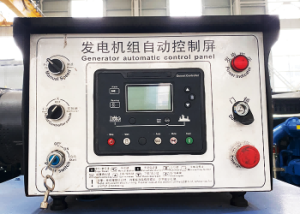
Automatic Voltage Regulators (AVR) and speed control systems within the control panel maintain stable output voltage and frequency, critical for the safe operation of connected electrical devices and for ensuring power quality.
5.8 Enhanced Diagnostic and Maintenance Features
The control panel is usually remind including diagnostic tools and maintenance, help to identify potential problems before failure. This is good for preventive maintenance, to reduce downtime, prolong the service life of the generator.
5.9 Customization and Scalability
The generator control panel can be customized, to meet the specific requirements of any application, provides flexibility in design and function. They also offer scalability, accommodating future expansion of power generation capabilities.
5.10 Compliance with Standards and Regulations
Modern generator control panels are designed in accordance with international standards and regulations, to ensure the generator operation in accordance with the law and safety requirements.

In recent years, with the constant development of technology innovation, regulatory standards as well as to more efficient, reliable and intelligent power solutions under the impetus of the growing demand. The generator set control panel industry has made significant progress and trends. These developments not only improve the ability of the operation of the generator, it also contributes to their sustainability and ease of use. Here are some of the latest developments and trends in generator control panels:
6.1 Integration of IoT and Remote Monitoring Technologies
Integrate the Internet of Things (IoT) into the generator set control panel, completely changed the monitoring and management of the generator set. Support the Internet control panel allows real-time data collection, analysis and remote access. Enable the operator to monitor at any time and place the generator performance, fuel level and maintenance requirements. This kind of connectivity also helps to predictive maintenance, reduce downtime and extend the life of the generator set.
6.2 Advanced User Interfaces
Modern generator control panel using more complex user interface, includes touch screen display and user friendly graphical interface. These advances make it easier for the operator interacts with generator. To provide comprehensive data and visual access control of options and diagnostic tools.
6.3 Enhanced Cybersecurity Measures
As generator control panels become more connected, cybersecurity has become a paramount concern. Manufacturers are implementing advanced cybersecurity measures to protect against unauthorized access and cyber attacks. These measures include secure communication protocols, data encryption, and regular software updates to safeguard the generator set and the associated network.
6.4 Increased Use of Renewable Energy Sources

There is a growing trend towards integrating renewable energy sources with traditional generator sets, creating hybrid systems that are more sustainable and cost-effective. Control panels are being designed to manage these hybrid systems efficiently, optimizing the use of renewable energy while ensuring a continuous power supply through seamless switching between power sources.
6.5 Predictive Maintenance and Diagnostics
Modern control panels incorporate advanced diagnostics and predictive maintenance capabilities, using data analytics and machine learning algorithms to predict potential failures before they occur. This approach significantly reduces unplanned downtime and maintenance costs by allowing for timely and targeted interventions.
6.6 Customization and Scalability
There is an increasing demand for customized and scalable control panel solutions that can be tailored to specific operational requirements and easily upgraded as those needs evolve. Manufacturers are offering modular designs and flexible software platforms that can accommodate a wide range of functionalities and expand as necessary.
6.7 Energy Management and Efficiency
Control panels are increasingly focusing on energy management, with features designed to optimize fuel consumption, manage load distribution, and improve overall operational efficiency. This not only reduces operational costs but also aligns with global efforts to conserve energy and reduce carbon footprints.

7.1 Challenges
Technological Complexity
As the control panel becomes more advanced, combined with the Internet of things, artificial intelligence and machine learning to achieve predictive maintenance and operational efficiency, the complexity of these systems is increasing. This improves the installation, operation and maintenance of the technology needed to the threshold of the professional knowledge, may lead to higher costs and the need for professional training.
Cybersecurity Threats
Although network connections and remote monitoring function integration is beneficial to improve the efficiency of operations, it also creates vulnerabilities in cyber attacks. To ensure the safety of the generator control panel network, especially in the critical infrastructure, is a major challenge, requires constant effort and advanced security measures.
Compliance with Regulations
Generator control panel must comply with all kinds of international, national and local laws and regulations. These include environmental standards, safety specifications, and electromagnetic compatibility requirements. Navigation of these rules and ensure compliance may be complex and resource intensive.
Interoperability and Standardization
Due to the wide variety of manufacturers and know-how in the market, so achieving interoperability between different systems and components can be challenging. Standardization work is under way. However, the industry is still struggling to develop generally accepted communication protocols and interface standards.
Environmental and Sustainability Concerns
More and more strict environmental regulations, the demand for sustainable power generation solution is becoming more and more big. Adjust the generator set control panel, in order to reduce emissions, improve fuel efficiency. And integrating renewable energy is a challenge that manufacturers and operators must address.

Opportunities
Advancements in IoT and Connectivity
The continuous development of Internet of Things technology, in order to improve the ability of generating set control panel provides an important opportunity. Increased connectivity can lead to better data analysis, remote management and integration with other systems. This increases efficiency and promotes predictive maintenance.
Renewable Energy Integration
Obvious, the development control panel can manage hybrid systems that combine conventional generators with renewable energy sources. This integration can optimize energy use, reduce operating costs, and help to achieve sustainable development goals.
Customization and Flexibility
The need for a custom solution, for manufacturers to provide the chance to develop flexible control panel. It can be customized to specific user needs and applications. This will lead to a wider range of market penetration and customer satisfaction.
Energy Management and Efficiency
Innovations in energy management, including advanced algorithms for load balancing and efficiency optimization, provide an opportunity to make generator operations more cost-effective and environmentally friendly.
Education and Training
The complexity of modern control panels creates a demand for comprehensive education and training programs. This represents an opportunity for manufacturers and service providers to offer value-added services, strengthening customer relationships and building expertise in the industry.
Global Market Expansion
Emerging markets with growing infrastructure needs offer a fertile ground for the expansion of generator set control panels. Tailoring products and services to meet the specific needs of these markets can drive growth and diversification.