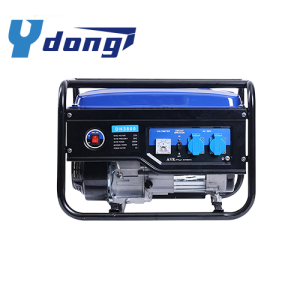
The cooling system of the generator effectively removes excess heat generated during operation. This is essential to maintain optimal performance and extend the service life of the generator. There are several types of cooling system for generator, each one has its own set of characteristics, strengths and weaknesses.
Understand these differences for specific generator applications and operating conditions, select the appropriate cooling system is very important.Here are the main types of cooling systems for generators and how they differ from one another:
2.1 Air Cooling
Mechanism: Air cooling utilizes ambient air to dissipate heat directly from the generator. This process often involves using fans or blowers to force air over the generator’s components, such as the engine block and alternator, to cool them down.
Advantages: Simple, cost effective and easy to maintain. Due to fewer moving parts and don’t need a liquid cooling system.
Disadvantages: Compared to liquid cooling, limited cooldown efficiency. This makes it unsuitable for high power or continuous operation in high temperature environments.
2.2 Liquid Cooling

Mechanism: Liquid cooling system makes coolant, through the generator engine and alternator channels around the loop. Then heated through the radiator coolant, before through the recirculation system heat released into the atmosphere.
Advantages: Superior cooling efficiency allows for more compact generator designs. Makes the generator run under higher load without overheating.
Disadvantages: Greater complexity, higher costs, and more maintenance requirements due to the need for coolant level checks, potential leaks, and system flushing.
2.3 Hydrogen Cooling
Mechanism: Hydrogen cooling involves circulating hydrogen around the rotor of the generator, sometimes around the stator loop hydrogen. Hydrogen has excellent thermal conductivity and low density. This feature makes it effective cooling medium large high speed generator.
Advantages: An extremely efficient cooling, able to handle large generator heat load significantly. Thus improve the overall efficiency and performance of the generator.
Disadvantages: Because hydrogen is highly flammable, need special equipment and safety measures to prevent leakage and to ensure safe operation. Therefore, there are complexity and safety issues.
2.4 Evaporative Cooling
Mechanism: Evaporative cooling takes advantage of the endothermic effect of water evaporation. In the generator, this may involve circulating water through a heat exchanger. There it absorbs heat from the generator, then let the heat of water evaporation in the cooling tower, radiate heat into the atmosphere.
Advantages: Efficient cooling method that can be relatively low in operating costs, especially in areas with cooler ambient temperatures.
Disadvantages: Dependent on the availability of water and the local climate, with potential issues related to water treatment, scaling, and biological growth in the system.

The cooling system of the generator is designed to maintain optimum operating temperature. This will prevent overheating, ensure the efficiency and lifetime of the generator.
The specific composition of the cooling system can vary according to the type. But usually, these systems include several key components, each component in the cooling process plays a vital role.
The following is an overview of generator cooling system in the common parts:
3.1 Coolant
Coolant in the surface system is a kind of absorb heat from the generator engine and other parts of the liquid. It is usually a mixture of water and antifreeze. This helps prevent freezing in cold conditions and boiling in hot conditions and inhibit corrosion in the cooling system.
3.2 Radiator
A radiator is a heat exchanger, it will be the coolant heat into the atmosphere. It consists of a series of tubes and fins, increase the heat transfer surface area. Air flows through the radiator, or natural convection, or it’s driven by a fan. Cooling hot coolant, then loop into the engine.
3.3 Water Pump
In a liquid cooling system, water pump in the circulation of coolant in the engine and cooling system. It ensures a steady flow of coolant, to absorb heat from the engine, and feed it to a radiator for cooling.
3.4 Fans

In the air and liquid cooling system fan is used to increase air flow. In the air cooling system, fan air through the engine, and through the radiator attached to the key components. In a liquid cooling system, by forcing air through the radiator fan to help improve the efficiency of the radiator, to help dissipate heat.
3.5 Thermostat
Thermostat regulates the temperature of the coolant. When the engine is cold, it stays off, heat up the engine quickly. Once the engine at operating temperature, the thermostat will turn on. Let the coolant flow through the radiator, prevent engine overheating.
3.6 Hoses and Pipes
These parts for the coolant in the engine, radiator and cooling system provides a channel between other parts of the flow. They must be durable, able to bear high pressure and high temperature.
3.7 Expansion or Overflow Tank
Coolant expands when heated. The expansion of the tank for the coolant provides additional space, prevent stress in cooling system. It also allows the coolant in the cooling system and coolant shrinkage was to capture and reuse.
3.8 Heat Exchanger (for Hydrogen-Cooled Systems)
In the hydrogen cooled generator, heat is used to transfer heat from hydrogen to secondary cooling agent. For example, water, then carries the heat into the radiators and out into the atmosphere.
3.9 Hydrogen Circulator (for Hydrogen-Cooled Systems)
The component and circulate in the generator shell hydrogen. Promote the heat from power movement to the transfer of heat exchanger.

Generator cooling system innovation is a more efficient, reliable and environmentally friendly power generation demand driven. With the advancement of technology, these innovations are important for improving generator performance and lifetime. At the same time, reducing the impact on the environment is crucial. Below is an overview of some of the key innovations in generator cooling systems:
4.1 Advanced Coolant Materials
Advanced coolant materials have superior heat transfer capabilities. It also has a lower environmental impact on the development. This is a major innovation.
These include nanofluids, which are colloidal suspensions of nanoparticles in a base liquid. Compared with traditional coolants, nanofluids have excellent thermal and heat transfer properties. It has to increase cooling efficiency and reduce the size of the cooling system.
4.2 Variable Speed Cooling Fans
The integration of variable speed fans controlled by smart systems represents a leap forward in cooling technology. These fans adjust their speed based on the real-time cooling needs of the generator, optimizing energy consumption and reducing noise. This dynamic approach to cooling can significantly enhance the efficiency of cooling systems, especially in variable load conditions.
4.3 Heat Recovery Systems
The innovation of recovering heat from the generator cooling system allows the use of waste heat that was previously dissipated into the environment. This waste heat can be reused to heat buildings, preheating fuel or combustion air, and other applications. Significantly improve the overall energy efficiency of the power generation process.
4.4 Liquid Immersion Cooling

Liquid immersion cooling including dip generator parts not conductive liquid coolant. This direct contact with the coolant provides excellent cooling efficiency, allow closer component packaging, and it is possible to reduce the footprint of the generator.
Immersion cooling is particularly beneficial for high-performance applications where traditional air or liquid cooling systems might struggle to manage heat effectively.
4.5 Hydrogen Cooling for Large-Scale Generators
For very large generators, especially for power plant generators. Hydrogen cooling innovation has made significant progress. Hydrogen has high thermal conductivity and low density, it is an excellent cooling medium for large generators.
Modern systems combine enhanced safety measures, real-time monitoring and improved hydrogen cycle efficiency. It has significant advantages over traditional cooling methods in terms of cooling capacity and energy efficiency.
4.6 Smart Cooling Systems
Integrate smart technology and iot devices into the cooling system, can real-time monitor and control cooling parameters. This can include automatic adjustment of cooling flow, fan speed, even based on the trend of temperature alarm and historical data of predictive maintenance.
This system prevents overheating by ensuring optimal cooling is always maintained and before overheating occurs. Thus, the reliability and efficiency of the generator are improved.
4.7 Environmentally Friendly Cooling
The shift to more environmentally friendly cooling solutions is clear. Use natural coolant, such as air and water, and further lead to global warming and ozone depletion synthetic refrigerants.
The innovation of this field focus on maximizing the efficiency of natural cooling method. Integration of renewable energy into cooling systems, further reduce the generator’s carbon footprint.
Conclusion
The generator cooling system innovation reflects energy sustainability, efficiency and intelligent operation in the field of a broader trend. With the continuous development of technology, we can expect further progress.
This will improve the performance of the generator while minimizing the environmental impact. This ensures that cooling systems remain at the forefront of sustainably meeting the world’s growing energy needs.

Generator cooling system for maintaining generator set is the key to efficient, safe, long running. Proper maintenance can help prevent overheating. Proper maintenance helps prevent overheating, this may result in degraded performance of the generator set, increase the wear, even catastrophic failure. In this paper, we will discuss key maintenance methods for the cooling system of the generator set and their effect on performance and lifetime.
5.1 The Importance of The Cooling System Maintenance
Prevents Overheating: Regular maintenance to ensure effective operation of the cooling system, to prevent the generator overheating in the operation process. Overheating will cause serious damage to critical components. Resulting in expensive repairs or the failure of the entire generator.
Ensures Efficiency: Maintain good cooling system helps to generators run at optimal efficiency. This can improve fuel economy, reduce operating costs, to reduce emissions.
Extends Lifespan: Regular maintenance can reduce the generator parts wear and tear, prolong its service life. To ensure that its use in an emergency or continuous maintain reliable.
Prevents Downtime: By minimizing the risk of overheating and related damage. Regular maintenance helps to avoid unexpected downtime, make sure the power supply remains uninterrupted.
5.2 Maintenance Practices
5.2.1 Regular Coolant Checks
The level and status of the coolant should be checked regularly. As time goes on, the coolant will degrade. This leads to reduced cooling efficiency and corrosion of cooling system components. It is important to change the coolant at intervals recommended by the manufacturer. For your particular generator using the correct type of coolant.
5.2.2 Cleaning the Radiator
The fins of the radiator can become clogged with dirt, dust, and debris. Thus reducing the heat dissipation capacity. Clean the radiator regularly, make sure the airflow is not hindered by external factors. This is an essential maintenance task.
5.2.3 Inspecting Hoses and Belts
With the passage of time, cooling system hose will become fragile, rupture or expansion. This phenomenon leads to the coolant leakage and loss. Likewise, the belts that drive the pumps and fans wear out, resulting in insufficient cooling. It is essential to check and replace hoses and belts regularly as needed.
5.2.4 Checking the Water Pump
A water pump is a key component of a liquid cooling system. Circulates coolant throughout the engine. Make sure it functions properly. If there are obvious signs of wear or leak, please replace it.
5.2.5 Thermostat Testing
Control the temperature of the engine coolant according to the flow rate, step away from the thermostat. Thermostat failure can lead to engine overheating or run cold, affect the efficiency and emissions. Test and replace the thermostat as needed, and it’s important to maintain the optimal operating temperature.
5.2.6 Fan Inspection
Make sure the cooling fan is in good working order. Because they play a vital role in the air circulation of air-cooled and liquid-cooled systems. For electric fans, inspect electrical connections and motors for signs of wear or damage.
5.3 Impact of Maintenance

5.3.1 Improved Efficiency
Proper maintenance of the cooling system ensures that the generator set is operating within the optimal temperature range. To prevent energy waste and ensure the efficient use of fuel.
5.3.2 Extended Lifespan
Regular maintenance can prevent the engine parts in overheating and excessive wear. Thus prolong the service life of the generator set.
5.3.3 Reduced Downtime
By preventing overheating and its related problems. Regular maintenance of the cooling system can minimize unplanned downtime. So that make sure the generator set is available when needed.
5.3.4 Lower Repair Costs
Preventive maintenance can identify and correct problems before lead to major fault. This significantly reduces maintenance costs and prevents costly component replacement.
5.3.5 Safety
Overheating will bring potential safety problems, including a possible fire. Maintenance of cooling system helps to reduce those risks. To ensure safe operation of the generator set.
5.3.6 Environmental Impact
Generating set to work effectively with appropriate cooling system maintenance. Reduced emissions and reduced environmental impact.
Conclusion
In short, the cooling system is a key component of the generator set, its maintenance is an integral part of the unit’s performance, reliability and longevity. By sticking to a regular maintenance schedule and addressing any issues promptly. Operators can ensure efficient and safe operation of generator sets for many years. Thus maximizing the investment, minimize impact on the environment.

Generator used in the cooling system is very important to keep running efficiency and prevent overheating, it may cause a variety of effects on the environment. These effects depend on the type of cooling system, the coolant used, and how the system is managed.
Understand the environmental impact for the strategy, to minimize the ecological footprint of generator operations is essential. Here are key considerations regarding the environmental impact of generator cooling systems:
6.1 Use of Water and Water Consumption
Impact: The cooling system, especially those who depend on water to heat cooling system. It will seriously affect the local water resources. Evaporative cooling systems and disposable cooling systems consume large amounts of water. This may not be sustainable in water-scarce areas.
Mitigation: The implementation of a closed-loop cooling system to recover water can greatly reduce water consumption. In addition, using alternative methods of cooling or advanced technology. Try to reduce the use of water can also help mitigate the impact.
6.2 Chemical Coolants and Refrigerants
Impact: Many chemical coolant liquid cooling system, if the liquid leaks, it will be harmful to the environment. Some of these substances can be toxic and cause water pollution. Or have a high global warming potential if released into the atmosphere.
Mitigation: Use environmentally friendly, biodegradable coolants and ensure the proper maintenance to prevent leakage. Environmental risks can be minimized. In addition, the industry is moving toward using a lower global warming potential and better environment characteristics of refrigerant in the direction of development.
6.3 Energy Consumption
Impact: Cooling systems, especially those that require pumps, fans, or refrigeration cycles, consume energy. This additional energy use has an impact on the overall environment of the generator, to increase its carbon footprint.
Mitigation: Through better design optimization efficiency of the cooling system. For example, variable speed drives for pumps and fans, energy consumption can be reduced. Renewable energy for the cooling system, power can further reduce the impact on the environment.
6.4 Heat Rejection and Thermal Pollution

Impact: Warm water discharge from the cooling system or to the environment will cause pollution of the hot air, impact on local ecosystems. Especially aquatic organisms in nearby water bodies.
Mitigation: Implementing heat recovery systems can not only reduce thermal pollution by utilizing waste heat for useful purposes (such as heating buildings) but also improve the overall energy efficiency of the operation. Where heat rejection is unavoidable, using cooling towers to dissipate heat more effectively and reduce temperature differences before discharge can help minimize environmental impact.
6.5 Noise Pollution
Impact: Cooling systems, particularly those involving fans or cooling towers, can generate significant levels of noise, contributing to noise pollution in the surrounding area.
Mitigation: Use noise reduction techniques. Examples include low noise fans, soundproofing enclosures and strategic removal from sensitive areas. Doing so can help to reduce noise pollution.
Conclusion
Although the cooling system is indispensable for the safe and efficient operation of the generator, its impact on the environment also nots allow to ignore. By understanding these effects, measures can be taken.
These impacts are mitigated through the use of more sustainable cooling technologies, better management practices and the adoption of environmentally friendly coolants and refrigerants. With the advancement of technology, looking for innovative cooling solutions.
At the same time of keep or increase the cooling efficiency, minimize the impact on the environment, this is essential for sustainable power generation.

The cooling system of a generator plays a pivotal role in its operation across various scenarios, ensuring efficiency, reliability, and longevity by managing the heat generated during power production.
The choice of a cooling system and its applicability largely depend on the generator’s size, environment, operational demands, and specific application requirements. Here are key scenarios where different generator cooling systems find their application:
7.1 Residential and Small Business Use
For smaller generators used in residential or small business settings, typically for backup power, air-cooled systems are common.
These systems are adequate for the lower power requirements and shorter run times expected in these scenarios.
Air cooling offers a simple, cost-effective solution with lower maintenance needs, making it suitable for occasional use during power outages.
7.2 Commercial and Industrial Applications
In commercial and industrial environments where generators are used for backup or continuous power, liquid-cooled systems are preferred due to their superior cooling efficiency.
These settings often demand higher power outputs and longer operation periods, which can generate significant heat.
Liquid cooling can more effectively manage this heat, ensuring the generator operates reliably under sustained loads.
7.3 Data Centers

Data centers, which require uninterrupted power to maintain operations and protect critical data, benefit from liquid-cooled or evaporative cooling systems. These facilities often have substantial power needs and may use generators continuously as part of a redundant power setup.
In these high-demand scenarios, the efficiency of liquid cooling is critical. The use of evaporative cooling can provide an effective solution under the right climatic conditions, use the cooling effect of water evaporation.
7.4 Hospitals and Critical Care Facilities
For hospitals and other critical care facilities where electricity reliability can make the difference between life and death. These scenarios usually use generators with liquid cooling systems.
These setups require generators to be able to come online quickly in the event of a power outage, may run for a long time.
Liquid-cooled generators can maintain optimal operating temperatures over longer durations, ensuring the continuous, reliable operation necessary in healthcare settings.
7.5 Large-scale Industrial and Utility Applications
For large-scale applications, including utility-scale power generation or industrial processes requiring substantial power, hydrogen-cooled generators are often employed.
These generators are capable of handling very high power outputs efficiently, and hydrogen’s excellent thermal conductivity makes it an ideal cooling medium for these applications.
Hydrogen cooling is particularly applicable in scenarios where maximizing efficiency and minimizing the generator’s physical footprint are critical.
7.6 Remote or Harsh Environments

In remote and poor or extreme environments operation of generator, such as mining, oil and gas exploration site or military applications.
Use in these scenarios requires a powerful cooling system that can withstand harsh conditions. Liquid cooling systems often have enhanced features, such as strong and durable component and advanced cooling agent formula.
Because they can in extreme temperatures, dusty conditions or under the condition of limited space to keep performance and favor.
7.7 Mobile Applications
For mobile applications, including RVs, food trucks, and mobile medical units, compact generators with air cooling or small-scale liquid cooling systems are common.
These applications require portable, lightweight generators that can provide reliable power on the go. The cooling system chosen often balances the need for efficiency with considerations of space, weight, and maintenance.
Conclusion
The application scenarios for generator cooling systems are diverse, each with unique requirements that dictate the choice of cooling technology.
From air-cooled systems in small, portable generators to sophisticated hydrogen-cooled units for large-scale power generation, understanding the operational demands and environmental conditions of each scenario is key to selecting the appropriate cooling solution.
As technology advances, the development of more efficient, adaptable cooling systems will continue to expand the applicability and performance of generators across all these scenarios.