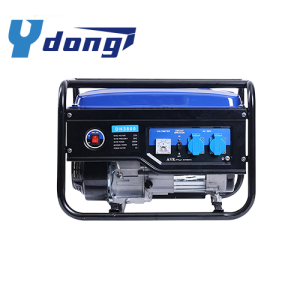
Single phase power system is a method of distribution of alternating current, the voltage change of all the power sources is the same. This is one of the most common ways to power homes and small businesses, especially in the residential area.
Single phase power system is characterized by its simplicity, usually used for low load requirements. Here are the key features and aspects of a single-phase power system:
2.1 Characteristics
Single Circuit Path: In a single-phase system, the electric power flows through a single circuit, with power being delivered via two wires: one active or phase wire and one neutral wire. Sometimes a ground wire is also included for safety, but it does not carry current under normal operation.
Voltage and Current: Depending on the country, the voltage of single phase systems usually between 100 to 240 volts. The current in the circuit changes sinusoidally, that meant it in a particular frequency (usually 50 or 60 hz) wave patterns to increase or decrease.
Simplicity and Cost-effectiveness: Because of its simpler infrastructure, less power is processed. Compared to a three-phase power system, single-phase power systems are typically less expensive to install and maintain.
2.2 Applications

Single-phase power supplies are most commonly found in residential environments, used to power household appliances such as refrigerators, televisions, lights and small motors. It also works for small businesses, not operating heavy machinery or a significant demand for electricity.
2.3 Advantages and Limitations
Advantages:
Simplicity: Its straightforward design makes it easy to install and understand, making it ideal for residential wiring and small-scale applications.
Cost-effectiveness: Due to the low complexity of the infrastructure, lower installation and maintenance costs.
Widespread Availability: Single-phase power is readily available in residential areas and is suitable for most household needs.
Limitations:
Limited Power Capacity: The application of single-phase power supply is not suitable for need high power, because it can’t handle very large loads effectively. This restriction makes it unsuitable for large commercial or industrial facilities, operate heavy machinery.
Less Efficient Power Distribution: For transmitting power over long distances or for heavy-duty applications, single-phase power is less efficient than three-phase power, leading to higher energy losses.
2.4 How It Works
In single-phase power systems, voltage and current waveforms peaked at the same time. When the voltage reaches its maximum value, the current is also at its maximum, they go up and down to zero. This property means that single-phase power transmission can experience moments of zero power flow. Although due to the high frequency ac cycle (50 or 60 times per second), this is often not obvious in home applications.

Three-phase power system is a method of power distribution, it uses three alternating currents. Each has the same frequency and amplitude, but the phase difference between them (120 degrees) to a third cycle.
The system is used in a wide range of industrial and commercial environments. Because it is efficient in distributing large amounts of power, and is more effective than single phase power system for heavy machinery. The following is an overview of the features, applications, advantages and working principles of the three-phase power supply:
3.1 Characteristics
Three Circuits: The system consists of three separate circuits, with each circuit carrying an alternating current that is out of phase with the others by 120 degrees. This configuration allows for a more constant power flow.
Four Wires: Typically, three-phase power systems use four wires: three “hot” wires carrying the current and one neutral wire for completing the circuit back to the electrical source. In some configurations, particularly where loads are balanced, the neutral wire may not be necessary.
Higher Voltage Levels: Three-phase systems can operate at higher voltage levels, making them suitable for transmitting power over long distances with less energy loss. Voltages in commercial and industrial settings can range from 208V to several kilovolts.
3.2 Applications
Three-phase power supplies are mainly used in industrial and commercial environments where large amounts of power are required. For operating heavy machinery, large motor, heating and cooling systems, and other needs high reliability and efficiency of the equipment is very important. Because of its efficiency advantages, it is also used to transmit power over long distances.
3.3 Advantages

Efficient Power Distribution: The 3phase system allows for a more balanced and efficient power distribution, reducing energy losses and improving overall system performance.
Higher Power Capacity: Compared to single-phase power, three-phase power can handle significantly higher loads, making it ideal for industrial applications.
Less Copper Required: For transmitting the same amount of power, three-phase systems require less conductor material than single-phase systems, leading to cost savings in wiring.
Smooth Operation of Motors: Three-phase power provides a constant power transfer to electric motors, resulting in smoother operation and longer lifespan for heavy machinery.
3.4 How It Works
In a three-phase system, three alternating currents are generated in this way. Each peaked a third of the time after the previous cycle. This phase difference means at any point in time, one of the phases is close to its maximum value, to ensure the continuous and stable power flow. This feature is especially benefit the operation of the motor and other machinery. Because it eliminates power delivery pulsations that may occur in single-phase systems.
3.5 Balanced vs. Unbalanced Loads
Balanced Loads: Ideally, the load is evenly distributed across all three phases, minimizing inefficiencies and ensuring that the system operates optimally.
Unbalanced Loads: When the load is not evenly distributed, it can lead to inefficiencies and potential problems, including voltage drops and increased wear on electrical components. Systems are often designed to minimize imbalance as much as possible.

4.1 Power Delivery and Efficiency
Single Phase: Delivers power through a single AC voltage and is subject to fluctuations in power delivery with each cycle of the AC waveform. This can lead to less efficient operation of motors and other inductive loads due to the pulsating nature of the power supply.
Three Phase: Provides three overlapping waves of power, ensuring a constant flow of energy that significantly reduces fluctuations. This continuous flow of power makes three-phase systems more efficient, especially for running motors and other machinery, as it provides smoother operation with less vibration and fewer energy losses.
4.2 Voltage Levels and Capacity
Single Phase: Typically operates at lower voltages, such as 120V or 240V in residential applications. It is suited for lighter loads, usually up to about 5 kW.
Three Phase: Capable of handling higher voltage levels, commonly 208V, 400V, 480V, or even higher in industrial and commercial settings. This allows three-phase systems to efficiently power high-capacity loads, often above 5 kW and into the hundreds of kilowatts or more.
4.3 Wiring and Installation

Single Phase: Requires fewer conductors for transmission and distribution, usually just two or three wires (phase, neutral, and possibly ground). This simplicity makes it less costly and easier to install for residential and small-scale applications.
Three Phase: Typically involves three phase wires and a neutral wire, making it more complex and costly to install. However, this complexity allows for more efficient transmission of power over longer distances and the ability to supply power to heavy-duty industrial equipment.
4.4 Equipment and Applications
Single Phase: Suitable for most household appliances, lighting, and heating systems, which do not require large amounts of power. Most residential homes are equipped with single-phase power for these reasons.
Three Phase: Essential for industrial applications and large commercial operations where heavy machinery and equipment require a steady and reliable power supply. Three-phase motors are simpler, more cost-effective, and more efficient than single-phase motors of the same power rating.
4.5 Energy Loss and Cost Efficiency
Single Phase: More prone to energy losses when used for high power applications or over long distances, making it less cost-efficient for large-scale operations.
Three Phase: Its configuration allows for significantly reduced energy losses, especially in transmission and when powering large motors. This makes it more cost-efficient for industrial and commercial use, despite the higher initial installation costs.
4.6 Flexibility and Scalability
Single Phase: While adequate for residential use and small businesses, scaling up a single-phase system to meet higher demands can be impractical and inefficient.
Three Phase: Offers greater flexibility and scalability, easily accommodating increases in load demand without significant losses in efficiency. This makes it ideal for future expansions in industrial plants and commercial facilities.

In the choice of single-phase and three-phase power system for specific applications, need to consider several practical impact and consideration.
These factors not only affect the efficiency of the power and function, also affects the cost, installation complexity, and future scalability of the system.
Understanding these factors is essential to make informed decisions that meet the needs of residential and commercial applications. Let’s study the actual meaning and matters needing attention.
5.1 Cost Implications
Initial Setup and Installation: Three-phase systems typically involve higher initial costs. Because of more complex infrastructure requirements, such as extra wiring and more complex equipment. In contrast to, single-phase systems are simpler and cheaper to install, more suitable for residential and small-scale applications.
Operational Efficiency and Energy Costs: Three-phase power system in the transmission power and operating heavy machinery is more efficient. In the long run, this can reduce energy costs, especially in the industrial environment. For residential users, considering the low demand for electricity. The efficiency gains of three-phase power typically do not offset the higher installation and equipment costs.
5.2 Installation and Maintenance
Technical Expertise: The installation of three phase systems generally requires more advanced technical knowledge and expertise, potentially increasing the cost of installation and maintenance. Single phase systems are simpler, making them easier and cheaper to install and maintain.
Infrastructure Requirements: Based on the existing infrastructure, from a single phase system upgrade to the three-phase system may be complex and expensive. Because it may require changes to the building’s internal wiring, main electrical panel, maybe even connected to the utility grid.
5.3 Power Capacity and Scalability
Power Requirements: For applications requiring more than 5 kW of power, such as large commercial buildings or industrial equipment, three phase power is usually necessary to efficiently meet these demands. Single phase power suffices for typical residential use and small businesses with lower power needs.
Future Expansion: If future expansion may increase the demand for electricity, then it may be more cost-effective to plan a three-phase system from the start than to try to upgrade from a single-phase system later.
5.4 Safety and Reliability

Equipment Safety: The three-phase system can improve the safety and reliability of the equipment, especially for large motors and machinery. Due to a more stable power supply, reduces the possibility of overheating and wear.
System Reliability: Three-phase power systems are generally more reliable, smaller voltage drop and fluctuations. This makes it more suitable for critical applications and environments. In these applications and environments, stability of electric power is indispensable.
5.5 Regulatory and Compatibility Issues
Building Codes and Regulations: Compliance with local building codes and electrical regulations can influence the choice between single and three phase power. Some commercial and industrial settings may require three phase power to meet safety and operational standards.
Equipment Compatibility: The selection of electrical systems must also consider compatibility with existing or planned mechanical equipment. Some devices may specifically require a three-phase power supply to operate, most household appliances are designed for single-phase power.
5.6 Environmental Considerations
Energy Efficiency: From the point of view of environment, three-phase power is usually more suitable for large installations. Because it has higher efficiency and lower transmission losses, this helps to reduce the carbon footprint.
Renewable Energy Integration: Three-phase systems can be better suited to integrating renewable energy. Like solar or wind power, especially for large equipment, to further improve the efficiency of the environment.
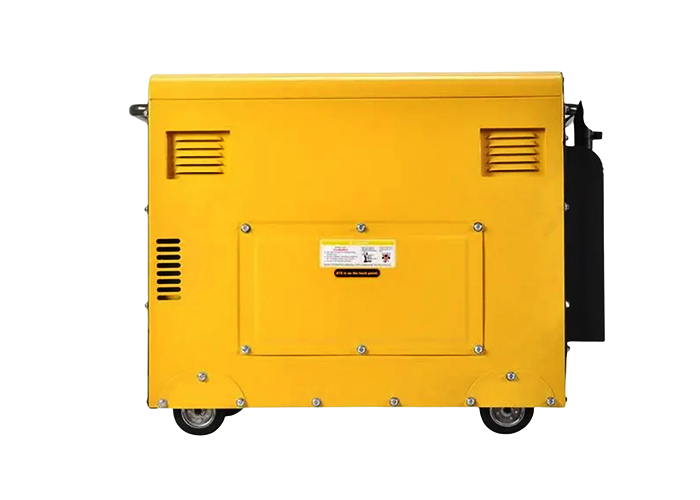
Due to technological progress, the demand for renewable energy is increasing, and the pursuit of power distribution efficiency and sustainability. The power system landscape, including single-phase and three-phase configurations, is undergoing major changes.
The future trends and innovation in the field of is designed to respond to these challenges and opportunities. Here are some of the key developments that are expected to shape the future of single-phase and three-phase power systems.
6.1 Integration of Renewable Energy Sources
Smart Grid Technology: The progress of smart grid technology to make renewable energy more effectively integrated into the single-phase and three-phase power system. The smart grid will help manage the variability of renewable energy and intermittent, to ensure stable and reliable power supply.
Microgrids and Distributed Generation: The rise of micro grid and distributed generation system made it possible to energy production and consumption of localization. The trend of three-phase power system and industrial and commercial environment particularly relevant. In these systems, on-site renewable energy generation can significantly reduce dependence on the conventional grid.
6.2 Energy Storage Solutions
Battery Storage Systems: More efficient, more economical battery storage technology is improving the development of power system, the flexibility and elasticity. For the residential area of single phase system, household battery storage can be stored roof the excess energy generated by solar panels, in order to peak demand time or used to case of power failure. In three phase systems, larger-scale battery storage can help balance loads and improve power quality for industrial operations.
6.3 Electrification and Electric Vehicles (EVs)
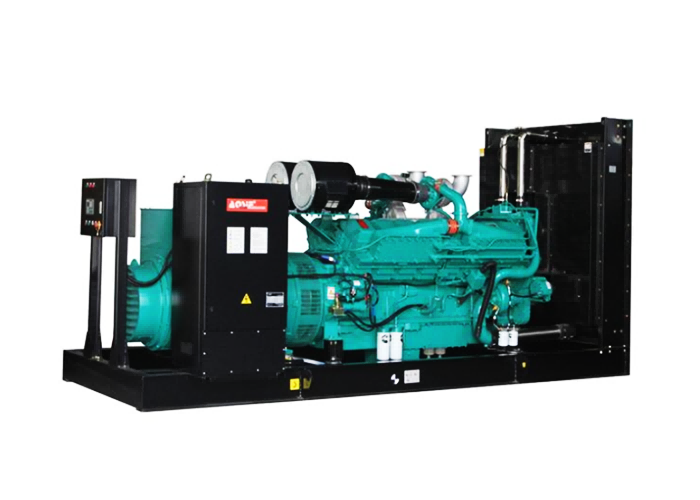
EV Charging Infrastructure: The rapid growth of the electric car market is driving the expansion of the electric vehicle charging infrastructure. This infrastructure relies heavily on three-phase power to support fast charging stations. Innovation may also be seen in the field of the residential use of single-phase fast charging solution development, bridge the gap between the current limitations and future needs.
Vehicle-to-Grid (V2G) Technologies: V2G technology allows the electric car will return to the grid electricity or use as a temporary storage battery. It provides new flexibility and efficiency in managing electricity supply and demand. This can be applied in both single phase and three phase contexts, enhancing grid stability and supporting renewable energy integration.
6.4 Advanced Metering and Energy Management
Smart Meters and IoT Devices: Smart meters and iot devices are widely used by changing energy consumption monitoring and management style. These technologies collect data on energy use in real time, promote the single-phase and three-phase system more effective energy management.
AI and Machine Learning: Artificial intelligence and machine learning algorithms are being used to predict the energy mode and automation, optimization of the operation of the demand response strategy. This can be a more efficient use of energy, reduce operational costs.
6.5 Power Electronics and Equipment Innovation
Solid-State Transformers: The development of solid-state transformers, which can dynamically adjust voltage and current, offers potential for more efficient and responsive power distribution networks. These devices can seamlessly integrate renewable sources, manage loads, and support both single phase and three phase systems.
High-Efficiency Motors and Appliances: Motor and electrical efficiency enhances unceasingly, especially those motors and appliances that use three-phase power supplies. They are reducing energy consumption in the industrial and commercial sectors. For a single phase application, similar progress is making home appliances and systems more energy saving and environmental protection.

7.1 The Homeowner: Reliability and Simplicity with Single Phase Generators
For homeowners, the primary concern often revolves around reliability and simplicity. Single phase generator sets shine in this context, offering a straightforward solution for backup power during outages. Their ease of use and installation make them a preferred choice for residential applications, where the demand seldom exceeds the moderate power these generators can supply. From powering essential home appliances during emergencies to supporting small-scale renewable energy setups, single phase generators represent a balance of affordability and functionality for the individual user.
7.2 The Small Business Owner: Flexibility and Cost-Effectiveness
Small business owner, especially business owners in retail, service, or small-scale manufacturing. They were very attaches great importance to the flexibility and cost effectiveness. Single-phase generator can often meet these requirements, provide reliable power supply for the daily operation, without the need for a three-phase system complexity and higher cost. However, as businesses grow and their energy demands increase—especially those with high-tech equipment or refrigeration units—the limitations of single phase power may prompt a shift towards more robust three phase solutions.
7.3 The Industrial Perspective: Maximizing Efficiency with Three Phase Generators

In industrial settings, the narrative shifts dramatically. Here, three phase generator sets are not just preferred but essential. The high efficiency, superior power capacity, and ability to smoothly operate heavy machinery make three phase generators the backbone of industrial power systems. From manufacturing plants to large commercial complexes, the generator support key operations, minimize downtime. It is important that can be expanded to meet ever-expanding energy demands. For industry stakeholders, three-phase electric power investment is reasonable. Because it can improve operational efficiency and save money in the long run.
7.4 The Environmental Advocate: Towards Sustainable Power Solutions
Environmental advocates view generator sets through the lens of sustainability and carbon footprint reduction. The traditional reliance on fossil fuels for power generation is a major problem, encourage people to promote more environmentally friendly alternatives. The generator combined with renewable energy hybrid system provides a way forward.
The reliability of generator combined with solar energy or wind energy sustainability. In this context, both single phase and three phase generators have roles to play, from supporting small, off-grid renewable setups to providing backup power for large-scale renewable energy systems. The future promises further innovation, with advancements in biofuels, hydrogen power, and energy storage technologies poised to make generator sets more environmentally friendly.
7.5 The Policy Maker: Balancing Energy Needs and Environmental Goals
Policy makers operate at the intersection of these views, its mission is to balance the immediate energy needs of communities and industry with long-term environmental goals. Aimed at improving energy efficiency, reduce emissions and encouraging the use of renewable energy laws and regulations and incentives that are reshaping generator market. This regulatory environment has affected the development and adoption of single-phase and three-phase generators. Push manufacturers towards cleaner, smarter and more adaptive solutions.